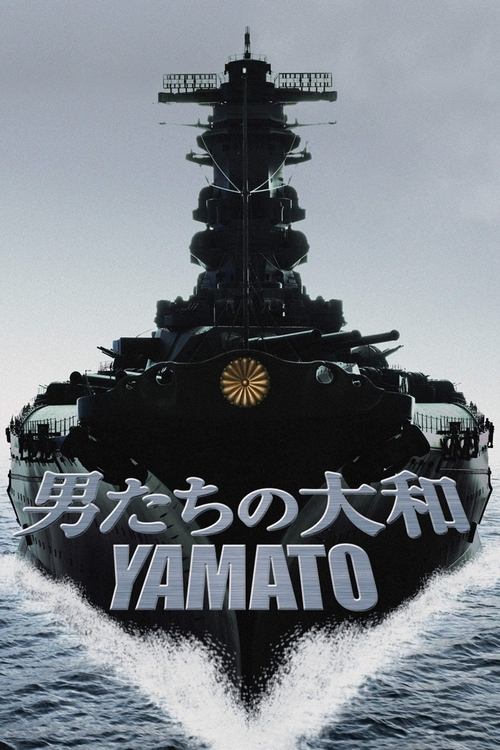
Director Junya Satō’s 2005 epic film Yamato stands as one of the most ambitious military dramas ever committed to screen. Based on Jun Henmi’s novel, the film employs a dual narrative structure, weaving together a present-day framing story with extensive flashbacks that chronicle the final voyage of the legendary Japanese battleship Yamato during World War II. Though the film never received theatrical distribution in the United States, those who have encountered it have drawn comparisons to celebrated Western war films such as Titanic and Saving Private Ryan—praise that speaks to Satō’s sweeping cinematic ambition and emotional depth.
When Yamato premiered in Japan, it became a significant cultural moment, resonating with audiences who connected with its exploration of sacrifice, duty, and human resilience amid the horrors of war. The film’s reception extended beyond Japanese borders, earning respect from international critics who recognized its earnest attempt to honor historical memory while examining the human cost of conflict. Unlike many war films that emphasize action and spectacle, Yamato prioritizes intimate character moments alongside its grand military sequences, creating space for genuine emotional investment in its ensemble cast.
Yet it is Joe Hisaishi’s extraordinary musical score that ultimately elevates Yamato into the realm of true cinematic art. Hisaishi, renowned for his collaborations with Hayao Miyazaki and his distinctive compositional voice, crafted a score that functions as far more than mere accompaniment. His music becomes an essential narrative element, expressing the internal emotional landscapes that the film’s characters cannot voice aloud. The score demonstrates Hisaishi’s masterful understanding of how orchestration can communicate both the grandeur of historical events and the intimate vulnerability of individual human beings facing mortality.
Hisaishi’s thematic approach to Yamato centers on contrasts that mirror the film’s central tensions. Soaring, majestic orchestral passages accompany scenes of the battleship cutting through waters, these themes evoking both beauty and doom. Yet these sweeping movements are consistently undercut by more delicate, melancholic melodic lines that surface during character-focused sequences. This compositional duality reflects the film’s own thematic preoccupations: the collision between military machinery and human fragility, between historical inevitability and personal agency.
The composer employs traditional orchestral forces with exceptional sophistication, utilizing strings to create passages of profound emotional vulnerability alongside brass sections that convey military authority and historical weight. Particularly striking are moments where Hisaishi strips away orchestration entirely, allowing solo instruments to carry the emotional burden of crucial scenes. These intimate musical moments—a solo cello, a lone piano—prove devastatingly effective when contrasted against the fuller orchestral textures that dominate the film’s larger sequences.
What makes Hisaishi’s contribution truly remarkable is how his music anticipates emotional developments within the narrative. Rather than simply reflecting what appears on screen, the score creates psychological space for viewers to internalize the profound human stakes underlying the historical events depicted. Through his careful calibration of dynamics, instrumentation, and melodic phrasing, Hisaishi ensures that Yamato transcends the military epic genre, becoming instead a profound meditation on mortality, memory, and the enduring human spirit. His score stands as one of his most mature and moving achievements, a masterwork that deserves recognition alongside his celebrated film music legacy.