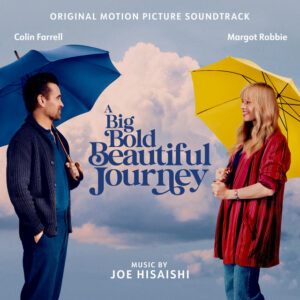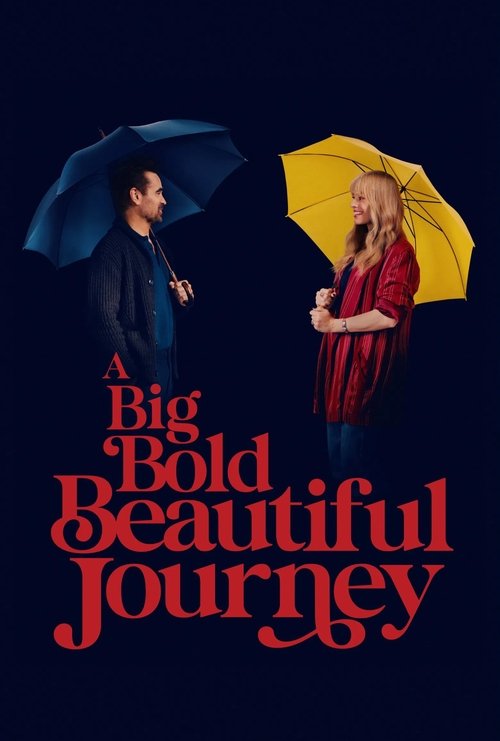
Kogonada’s 2025 film ‘A Big Bold Beautiful Journey’ presents audiences with a charming romantic fantasy that explores how our past shapes our present and future. The film follows Sarah and David, two strangers brought together at a wedding who unexpectedly embark on a magical journey through pivotal moments of their lives. Through this sweeping adventure, they revisit the crossroads and decisions that have defined them, while discovering whether they might alter the course of their lives and, perhaps, find love in the process.
Since its release, ‘A Big Bold Beautiful Journey’ has resonated strongly with international audiences, particularly across Europe where its blend of whimsical storytelling and emotional depth has found devoted admirers. Critics have praised Kogonada’s direction for balancing fantasy elements with genuine human vulnerability, while audiences have embraced the film’s optimistic yet introspective tone. The picture has sparked considerable conversation about fate, choice, and second chances—themes that feel increasingly relevant to contemporary viewers seeking meaning in their own narratives.
At the heart of this emotional resonance lies Joe Hisaishi’s luminous score, which elevates ‘A Big Bold Beautiful Journey’ from a pleasant romantic fantasy into something genuinely transcendent. Hisaishi, renowned for his collaborations with Hayao Miyazaki and Studio Ghibli, brings his characteristic sensitivity and compositional sophistication to Kogonada’s vision. The score represents perhaps his most explicitly European-influenced work to date, reflecting both the film’s setting and its intended international audience.
The compositional approach Hisaishi employs throughout the film reveals a deliberate use of musical leitmotifs that represent Sarah and David’s individual journeys. Sarah’s theme employs flowing strings and delicate piano passages that evoke introspection and gentle melancholy, while David’s motif features warmer, more grounded orchestration that speaks to his pragmatism and quiet determination. When the characters’ stories intertwine, so too do their musical themes, creating beautiful moments of harmonic convergence that underscore the film’s central question: are these two souls meant to find each other?
Hisaishi’s orchestration deserves particular praise for its restraint. Rather than overwhelming scenes with grandiose sweeps of music, he employs negative space masterfully, allowing silence and ambient sound to speak as powerfully as any orchestral statement. During sequences where Sarah and David revisit crucial moments from their pasts, the score adopts an almost impressionistic quality, with harp glissandi and subtle string arrangements that suggest memory’s ephemeral nature—how our recollections shimmer, shift, and refuse perfect clarity.
The fantastical elements of the narrative find perfect musical expression through Hisaishi’s incorporation of whimsical woodwind passages and unexpected harmonic progressions that suggest the otherworldly nature of the characters’ journey. Yet these flights of fancy never feel disconnected from the film’s emotional core. Instead, they enhance the poignancy of each revisited memory, reminding us that even in magical stories, what ultimately matters is the very human experience of regret, hope, and connection.
Final sequences showcase Hisaishi at his most generous, weaving Sarah and David’s themes into a sweeping orchestral crescendo that feels earned rather than manipulative. The score affirms that while we cannot change our pasts, the people we meet and the connections we forge can fundamentally reshape our understanding of who we are and who we might become. For European admirers of Hisaishi’s artistry, ‘A Big Bold Beautiful Journey’ represents a stunning addition to his already extraordinary catalogue.