
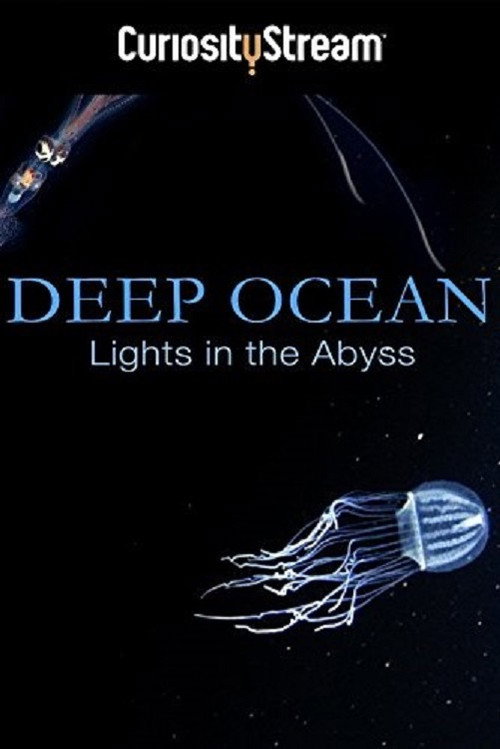
In 2016, director Manabu Hirose presented audiences with an extraordinary cinematic journey into one of Earth’s final frontiers. Deep Ocean: Lights in the Abyss follows the remarkable NHK team that had previously achieved the unprecedented feat of capturing the first-ever footage of a live giant squid in its natural habitat. This documentary venture takes viewers even deeper into the Pacific’s lightless realms, exploring the mesmerizing bioluminescent creatures that have evolved to thrive in conditions almost incomprehensible to surface dwellers. Through stunning underwater cinematography and scientific observation, the film reveals an alien world existing beneath our oceans, where life has adapted in ways both beautiful and bizarre.
The film’s reception among international audiences, particularly in Europe, demonstrated a growing fascination with nature documentaries that combine scientific rigor with cinematic spectacle. Deep Ocean succeeded in captivating viewers who might otherwise never engage with marine biology, transforming complex scientific concepts into emotionally resonant visual narratives. The documentary’s success elevated NHK’s reputation as a purveyor of world-class factual content, inspiring numerous similar deep-sea expeditions in subsequent years. Critics praised Hirose’s direction for balancing wonder with education, never talking down to audiences while maintaining accessibility for general viewers.
Yet what truly elevates Deep Ocean beyond standard nature documentary fare is the sublime orchestral score composed by Joe Hisaishi, the legendary Japanese composer known for his collaborations with Studio Ghibli and his distinctive approach to film music. Hisaishi’s composition for this film represents a masterclass in how music can illuminate the invisible and give voice to the voiceless creatures of the deep. Rather than employing bombastic orchestration, Hisaishi crafted a score of remarkable restraint and nuance, allowing the visuals to breathe while providing emotional scaffolding for the viewer’s journey into darkness.
The composer’s thematic approach centers on a central motif that embodies both mystery and intimacy—a delicate melody that unfolds gradually, much like the revelation of each bioluminescent organism. Hisaishi employs sparse instrumentation, often featuring solo strings or woodwinds floating above minimal harmonic accompaniment, mirroring the isolation and solitude of deep-sea life. This compositional strategy creates an almost meditative quality, inviting audiences into quiet contemplation rather than dramatic excitement. The music becomes less a commentary on the visuals and more a parallel narrative exploring themes of resilience, adaptation, and the strange beauty lurking in darkness.
Where Hisaishi’s genius truly shines is in the synchronization between musical and visual crescendos. As creatures illuminate their bioluminescent displays, the score subtly intensifies, adding instrumental layers that metaphorically mirror the creatures’ own light production. The orchestration swells not with aggression but with wonder, suggesting that these deep-sea inhabitants deserve our reverence and curiosity rather than fear. Through careful dynamic control and timbre selection, Hisaishi transforms scientific observation into profound emotional experience.
The score’s legacy extends beyond the film itself, demonstrating how thoughtful composition can transform documentary into art. For European fans of Joe Hisaishi, Deep Ocean represents perhaps his most introspective work—a score that whispers rather than shouts, yet resonates with the depth of the ocean itself. In illuminating the abyss, both Hirose’s direction and Hisaishi’s music accomplish something rare: they reveal the extraordinary poetry hidden within nature’s harshest environments.