
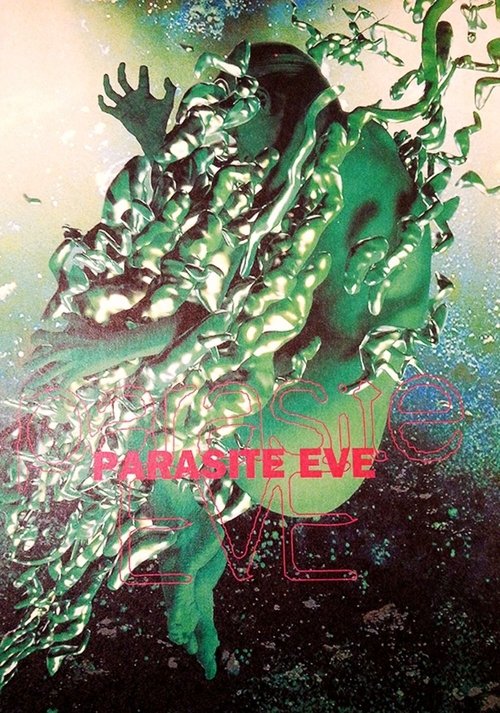
Masayuki Ochiai’s 1997 film Parasite Eve presents a uniquely unsettling premise that blends science fiction with body horror. The narrative follows a scientist who discovers that his deceased wife has been reanimated—not as a person, but as a conscious entity composed entirely of mitochondria. This cellular consciousness harbours sinister intentions: to create a new species capable of replacing humanity itself. What could have been merely a exploitation film instead becomes a meditation on loss, identity, and the terrifying implications of life at the microscopic level. The film’s ambition to explore such conceptual territory through the lens of speculative fiction marked it as a notable entry in late-1990s Japanese cinema.
Upon its release, Parasite Eve achieved moderate commercial success while earning respect from genre enthusiasts and critics who appreciated its willingness to embrace bizarre concepts without apology. The film became something of a cult favourite, particularly among European audiences drawn to its distinctive visual aesthetic and philosophical underpinnings. Its influence extended beyond cinema; the film spawned a video game series that would find considerable success, introducing the story to an entirely new audience. This crossover appeal demonstrated how Ochiai’s vision had tapped into something resonant within popular culture, even as mainstream audiences remained largely unaware of the film’s existence.
What elevates Parasite Eve from mere curiosity to genuine artistic achievement is Joe Hisaishi’s magnificent score. The legendary composer, renowned for his work with Hayao Miyazaki, approached this project with the same meticulous attention to thematic development and emotional architecture that characterises his most celebrated works. Hisaishi understood instinctively that the film’s central conceit—a beloved wife transformed into an inhuman intelligence—required music that could convey both tenderness and profound alienation simultaneously.
The score oscillates between lush, melancholic passages that evoke the scientist’s memories of human love, and increasingly discordant, abstract sections that represent the mitochondrial consciousness. Hisaishi employs orchestral arrangements that gradually fragment and distort throughout the film, mirroring the protagonist’s psychological unravelling as he confronts the horrible truth of his wife’s transformation. Early themes possess almost Romantic sensibilities, rich with strings and subtle harmonic progressions that suggest intimacy and warmth. As the narrative darkens, these themes become twisted, subjected to rhythmic displacements and harmonic ruptures that create an unsettling sense of wrongness.
Particularly striking is Hisaishi’s use of unconventional instrumentation and electronic elements woven throughout the orchestral tapestry. This fusion reflects the film’s thematic preoccupation with the boundary between organic and inorganic life, between the biological and the artificial. The composer creates moments of jarring juxtaposition where delicate acoustic passages are suddenly interrupted by harsh synthesiser tones, effectively translating the film’s conceptual tensions into pure sound.
Hisaishi’s work here demonstrates his remarkable versatility and depth as a film composer. Rather than simply providing atmospheric accompaniment, his score becomes integral to how viewers emotionally process the film’s grotesque premise. It transforms what could have been B-movie exploitation into something approaching genuine tragedy, giving weight and dignity to the scientist’s impossible dilemma. For European audiences discovering this film, Hisaishi’s music serves as the emotional gateway, making the strange and disturbing concepts not merely tolerable, but genuinely moving. This is composition in service of storytelling at its finest.