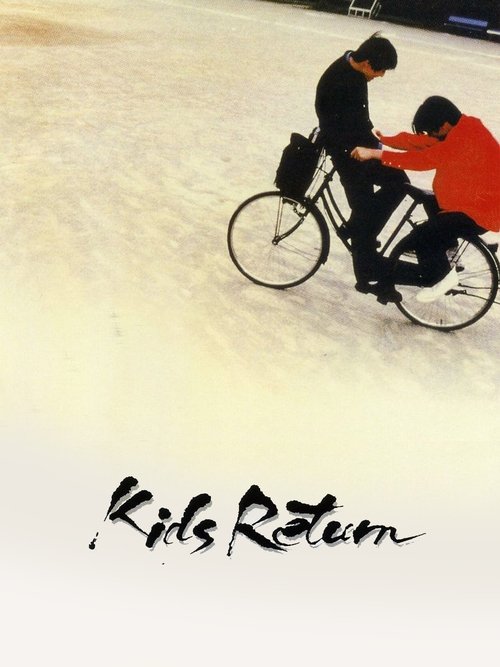
Takeshi Kitano’s 1996 film “Kids Return” stands as a poignant exploration of youth, ambition, and the harsh realities of adult life. The narrative follows Shinji and Masaru, two delinquent schoolmates who abandon their education to pursue radically different paths. While Shinji enters the world of professional boxing, hoping to forge a legitimate career through discipline and determination, Masaru gravitates toward organized crime, joining a local yakuza gang in search of quick money and status. What emerges is a deeply humanistic examination of how circumstance, choice, and society shape young lives, ultimately revealing that “the world is a tough place” regardless of which road one travels.
Upon its release, “Kids Return” garnered significant critical acclaim, establishing itself as one of Kitano’s most respected works outside Japan. The film’s nuanced portrayal of adolescent desperation and the seductive allure of criminal life resonated with international audiences, particularly in Europe where Kitano’s cinema had cultivated a devoted following. Critics praised the director’s restrained yet emotionally powerful storytelling, his unflinching depiction of violence, and his ability to find unexpected moments of tenderness amidst the bleakness. The film’s success demonstrated Kitano’s versatility beyond his “Beat” Takeshi persona, cementing his reputation as a serious auteur capable of profound dramatic work.
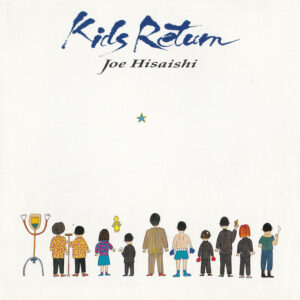
At the heart of this emotional resonance lies Joe Hisaishi’s masterful musical score, a composition that elevates the film from compelling drama to something truly transcendent. Hisaishi’s approach perfectly mirrors Kitano’s visual sensibility: minimalist yet deeply expressive, understated yet profoundly moving. Rather than drowning scenes in orchestral grandeur, Hisaishi employs sparse instrumentation and thoughtful silence, allowing the weight of the narrative to breathe naturally. Piano becomes his primary voice throughout the score, its gentle melancholy reflecting the internal struggles of both protagonists as they navigate their chosen paths.
The compositional strategy proves particularly effective during the film’s pivotal moments. When Shinji trains in the boxing ring, Hisaishi’s music captures both the physical intensity of the sport and the quiet determination burning within the young fighter. The score never sensationalizes the violence; instead, it humanizes it, rendering each punch a manifestation of hope and desperation. Conversely, when depicting Masaru’s descent into the yakuza underworld, the music takes on a darker, more ominous quality—not through aggressive orchestration, but through subtle harmonic shifts and the introduction of minor key passages that suggest moral compromise and creeping disillusionment.
What distinguishes Hisaishi’s work here is his restraint. Many composers might have scored such dramatic material with bombastic, emotionally manipulative gestures. Hisaishi instead trusts the audience’s intelligence and the inherent power of Kitano’s storytelling. Themes are introduced gently, developed sparingly, allowing them to echo through the viewer’s consciousness. The music’s relationship to the visuals operates on a subliminal level—never distracting, always complementing, forever deepening. This symbiotic partnership between Kitano’s direction and Hisaishi’s composition creates an emotional landscape far richer than either element could achieve independently.
The final passages of “Kids Return,” where both characters confront the consequences of their choices, showcase Hisaishi at his most profound. His score captures the bittersweet recognition that life’s promises rarely materialize as imagined, that grown-up reality offers few guarantees, and that the bonds of childhood friendship endure even amid divergent destinies. It is precisely this nuanced emotional intelligence that makes both the film and its score indispensable viewing for anyone seeking to understand contemporary cinema’s capacity for profound human expression.
![Shoot The Violist[ヴィオリストを撃て]](https://hisaishimusic.com/wp-content/uploads/2026/03/cover-9-300x300.jpg)