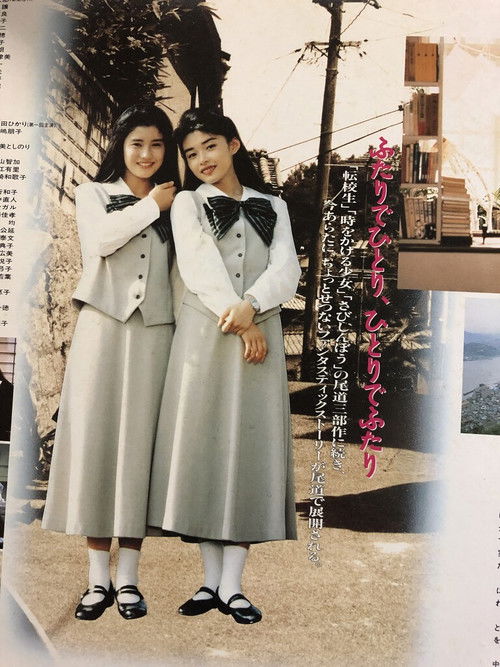
Nobuhiko Obayashi’s ‘Chizuko’s Younger Sister’ (1991) stands as a poignant exploration of grief, sisterhood, and supernatural intervention. The film follows the Kitao family as they navigate the devastating aftermath of losing their eldest daughter, Chizuko, in a tragic accident. When the younger sister Mika finds herself in mortal danger, the impossible occurs—Chizuko materializes as a ghost to rescue her sibling. What follows is an emotionally complex narrative where the two sisters reconnect beyond the boundaries of life itself, creating a touching meditation on familial bonds that transcend mortality.
The film arrived during a period when Japanese cinema was increasingly exploring supernatural themes with emotional depth rather than mere spectacle. ‘Chizuko’s Younger Sister’ gained recognition among discerning audiences for its sensitive handling of bereavement and its refusal to treat the ghostly reunion as either purely comedic or frightening. Instead, Obayashi crafted something more delicate—a film about finding solace in impossible circumstances. While not achieving mainstream blockbuster status, the film earned respect from critics and developed a dedicated following, particularly among those appreciative of unconventional approaches to fantasy cinema.
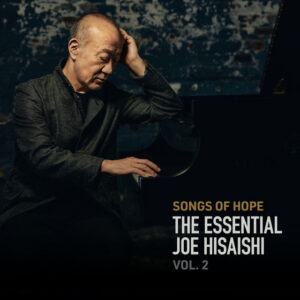
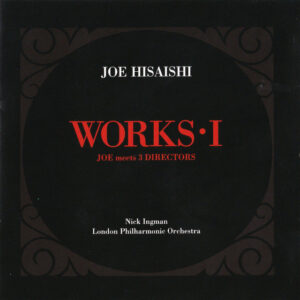
At the heart of this ethereal narrative lies Joe Hisaishi’s remarkable musical score, which serves as the emotional backbone of Obayashi’s vision. Hisaishi’s approach to scoring ‘Chizuko’s Younger Sister’ demonstrates his masterful ability to navigate the liminal space between the material and supernatural worlds through orchestration and thematic development. Rather than employing dramatic orchestral swells or unsettling avant-garde techniques, Hisaishi chose a path of understated elegance, allowing the music to gently guide viewers through moments of heartbreak and unexpected joy.
The composer’s thematic material centers on expressions of loss and reconnection, utilizing string arrangements that possess an almost ethereal quality. Hisaishi crafts melodies that feel both melancholic and comforting—appropriate for a narrative dealing with grief’s paradoxical nature. The piano features prominently throughout the score, often carrying the emotional weight of scenes exploring the sisters’ relationship. These instrumental choices create an intimate atmosphere that prevents the supernatural elements from overwhelming the film’s human core.
What distinguishes Hisaishi’s work here is his sophisticated understanding of dynamic restraint. Rather than scoring every moment with identical intensity, the composer allows silence and sparse arrangements to speak volumes. This thoughtful pacing mirrors the film’s own narrative rhythm, where quiet moments of sisterly connection often prove more affecting than dramatic set pieces. When orchestration does expand, it serves specific emotional purposes—underscoring moments of danger, reunion, or profound realization.
The relationship between Hisaishi’s score and Obayashi’s visual language proves especially symbiotic. The director’s impressionistic framing and use of light find their musical counterpart in Hisaishi’s impressionistic harmonic language. Unresolved chords and gentle modulations create a dreamlike quality that reflects the film’s supernatural premise. The score never announces the ghostly presence with conventional ‘spooky’ motifs; instead, Chizuko’s appearances are marked by shifts in the musical texture that feel organic rather than intrusive.
Hisaishi’s achievement in ‘Chizuko’s Younger Sister’ showcases his range beyond his more well-known fantastical scores. Here, working with a intimate family drama infused with supernatural elements, he proves that his greatest strength lies in emotional authenticity. The score validates the film’s central conceit—that love and familial bonds possess a reality transcending physical existence. Through careful orchestration and thematic sophistication, Hisaishi transforms Obayashi’s meditation on grief into something transcendent, creating a musical landscape where European listeners can recognize universal human experiences expressed through distinctly Japanese sensibilities.
![Shoot The Violist[ヴィオリストを撃て]](https://hisaishimusic.com/wp-content/uploads/2026/03/cover-9-300x300.jpg)