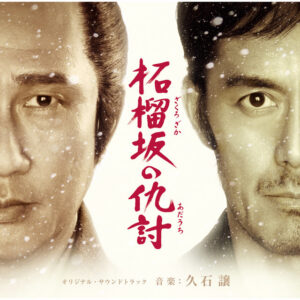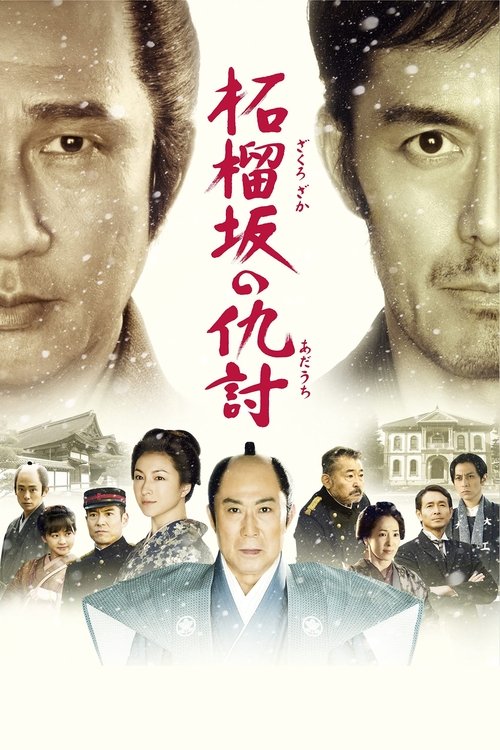
Setsuro Wakamatsu’s 2014 film ‘Snow on the Blades’ presents a contemplative meditation on loyalty, obsolescence, and the inexorable march of modernization in nineteenth-century Japan. The narrative centres on Shimura Kingo, a master swordsman bearing the weight of a catastrophic failure at Sakurada Gate in 1860, when his lord and the shogun’s chief minister fell to assassins. Stripped of the honourable option of seppuku as atonement, Kingo instead embarks on a thirteen-year quest to hunt down those responsible for the tragedy. Yet as Japan transforms and the samurai way becomes increasingly illegal, Kingo must grapple with a world that no longer values the code he has devoted his life to upholding. This rich thematic material—exploring themes of honour, obsolescence, and duty in a changing world—becomes the emotional and narrative foundation upon which Joe Hisaishi constructs one of his most introspective and haunting compositions.
Upon its release, ‘Snow on the Blades’ garnered considerable critical acclaim, particularly within Japan where its exploration of samurai culture and the historical Bakumatsu period resonated deeply with audiences. The film’s deliberate pacing and philosophical approach appealed to cinephiles and martial arts enthusiasts alike, establishing it as a thoughtful counterpoint to more action-oriented samurai fare. While perhaps less visible in mainstream Western cinema circles than some contemporary Japanese films, the movie has developed a devoted following among European fans of Japanese cinema, particularly those who appreciate chamber pieces that prioritize character and atmosphere over spectacle. The film’s meditative quality and its examination of institutional change in Japanese society have ensured its enduring relevance beyond mere period entertainment.
Yet it is Joe Hisaishi’s extraordinary musical accompaniment that elevates ‘Snow on the Blades’ into something truly transcendent. Working closely with director Wakamatsu, Hisaishi crafted a score that functions as a character in itself, breathing emotional life into Kingo’s internal struggles and the film’s broader thematic concerns. The music employs a restrained orchestral palette dominated by strings, with judicious use of solo instruments—particularly a haunting shakuhachi flute that evokes both traditional Japanese aesthetics and the spiritual emptiness consuming Kingo’s existence. This instrumentation proves masterfully deliberate, the sparse arrangement mirroring the increasingly isolated landscape of Kingo’s obsessive pursuit.
Hisaishi’s compositional approach emphasizes modal ambiguity and unresolved harmonic tension, creating a soundworld that feels perpetually suspended between the old world Kingo desperately clings to and the new Japan emerging around him. Recurring motifs weave throughout the score—a mournful cello phrase that embodies the weight of duty, a fragmentary violin melody suggesting hope and resignation in equal measure. The music rarely resolves into comfortable cadences, instead trailing away into silence or hovering on ambiguous chords that leave viewers emotionally unsettled, perfectly complementing the film’s exploration of obsolescence and purposelessness.
What distinguishes Hisaishi’s work here is its profound restraint. Rather than sentimentalizing Kingo’s tragedy or underscoring action sequences with aggressive orchestration, the composer trusts silence as much as sound. Extended sequences pass with minimal musical accompaniment, allowing Kingo’s internal conflict and the sound design of winter landscapes to predominate. When Hisaishi’s music does swell, it carries tremendous weight—a full orchestral statement becomes momentous, a solo flute passage becomes devastatingly intimate. This dynamic range transforms what could have been a conventional period drama into an emotionally complex portrait of a man confronting the irrelevance of everything he represents. The score ultimately asks the same questions as the film itself: what does duty mean when the world changes? What remains when honour becomes obsolete? In Hisaishi’s hands, these philosophical questions become viscerally musical.