Author: Editorial Team
-
Pay, Respect, and Play: The Simple Truth Behind Hisaishi’s Copyright Statement
If you have spent any time in the world of Joe Hisaishi concerts over the past few years, you may have noticed something unusual: events billed as “Joe Hisaishi” performances happening in cities he never visited, conducted by musicians he never met, performing arrangements he never approved. In April 2024, Hisaishi and his management company…
Written by

-
When Poetry Meets Jazz: How Six Poems Shaped Studio Ghibli’s Most Adult Soundtrack
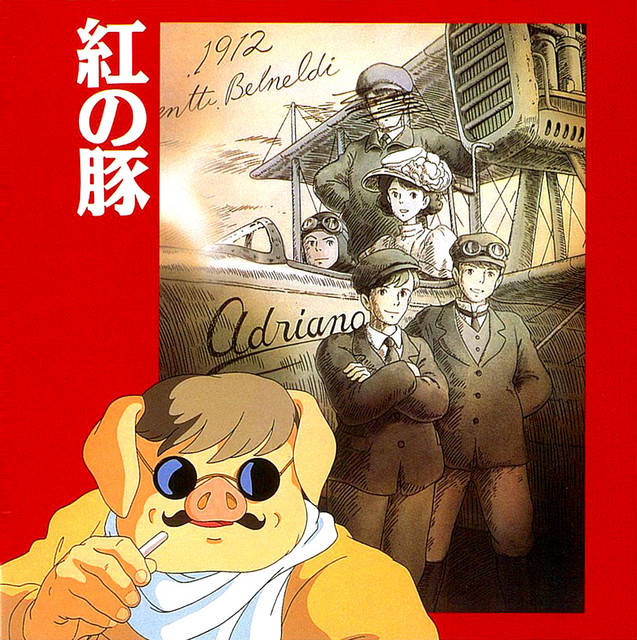
Album: 紅の豚 イメージアルバム In the spring of 1992, Hayao Miyazaki handed Joe Hisaishi six handwritten poems. These weren’t lyrics to be set to music, but something far more intriguing—emotional blueprints for what would become one of Studio Ghibli’s most sophisticated soundtracks. Among the verses titled ‘Flying Boatman’s Tango,’ ‘Ascent,’ ‘Adriatic Sea at Twilight,’ ‘Night Flight,’…
Written by
-
The Forest of Wool and Steel: Joe Hisaishi’s Musical Craftsmanship in Kojiro Hashimoto’s Hidden Gem
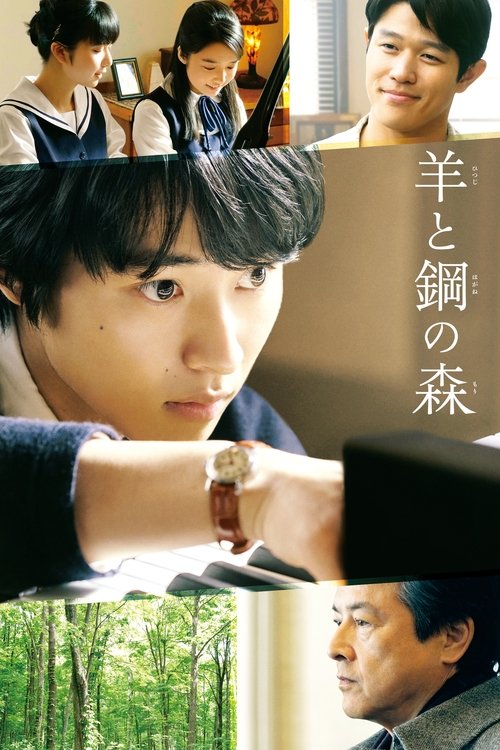
Kojiro Hashimoto’s 2018 film “The Forest of Wool and Steel” is a quiet meditation on craft, patience, and human connection set within the intimate world of piano tuning. The narrative follows Naoki Tomura, a high school student from rural Hokkaido who encounters Soichiro Itadori, a master piano tuner, and subsequently embarks on a journey to…
Written by
-
When Mandolins Tell Stories: Inside the Musical World of Porco Rosso’s Factory Women
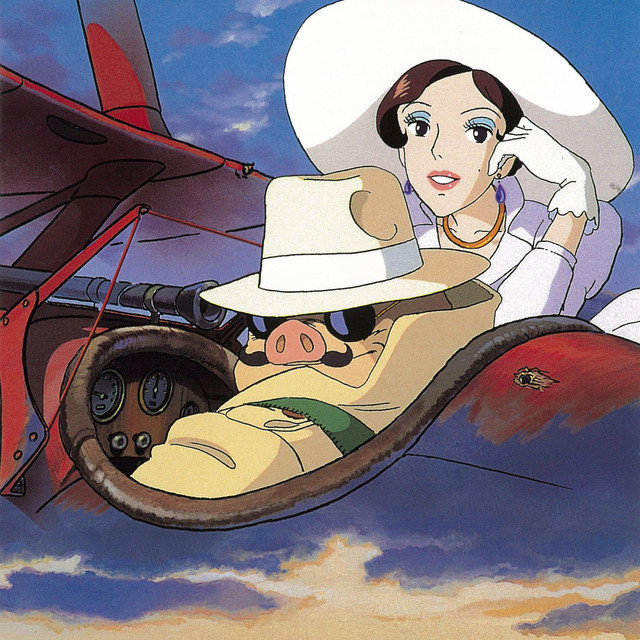
Album: 紅の豚 サウンドトラック In the sprawling soundscape of Joe Hisaishi’s score for Porco Rosso, one track stands out as a perfect microcosm of how thoughtful musical choices can transport listeners across time and geography. “Piccolo no Onna-tachi” (The Women of Piccolo) emerges as more than just background music – it’s a masterclass in period authenticity…
Written by
-
When Music Walks on Four Paws: Joe Hisaishi’s Portrait of an Old Dog
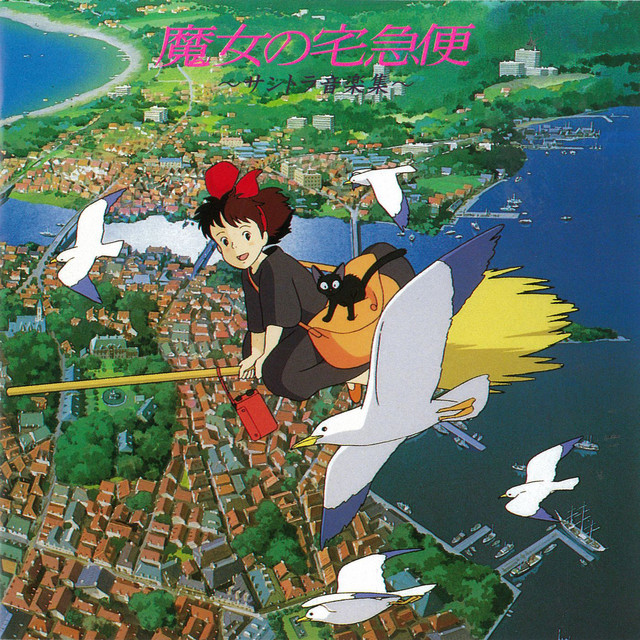
Album: 魔女の宅急便 サントラ音楽集 In the bustling world of Studio Ghibli’s ‘Kiki’s Delivery Service,’ where young witches soar through European skies and magic fills every corner, there exists a quieter moment of pure musical poetry. Joe Hisaishi’s track ‘Jeff’ captures something most film composers overlook: the unhurried dignity of an aging dog. Through the gentle voice…
Written by
-
Network Baby (1990): Joe Hisaishi’s Touching Score for Hiroshi Kataoka’s Digital Fantasy
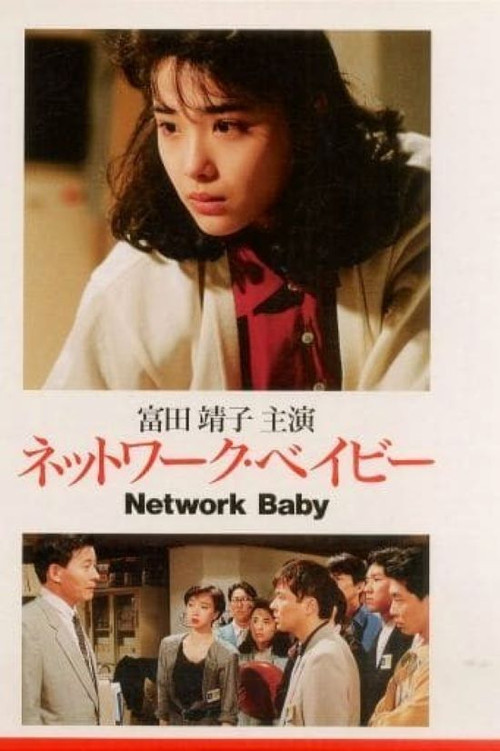
Hiroshi Kataoka’s 1990 film Network Baby stands as a fascinating exploration of grief, technology, and maternal bonds in the emerging digital age. The narrative follows a young mother working at a video game company who is struggling with profound loss. When she is recruited to test and train a revolutionary virtual world, she discovers an…
Written by
-
When European Folk Dances Met Studio Ghibli Magic: How ‘Shigoto Hajime’ Captures Kiki’s First Day
Album: 魔女の宅急便 サントラ音楽集 In the summer of 1989, composer Joe Hisaishi faced an impossible deadline. Fresh off a plane from New York, he had just two days to prepare for recording sessions that would complete one of Studio Ghibli’s most beloved soundtracks. Among the pieces he crafted during this whirlwind period was ‘Shigoto Hajime’ (Work…
Written by
-
Breathing Life into Animation: How Joe Hisaishi Transformed Kiki’s Musical Journey
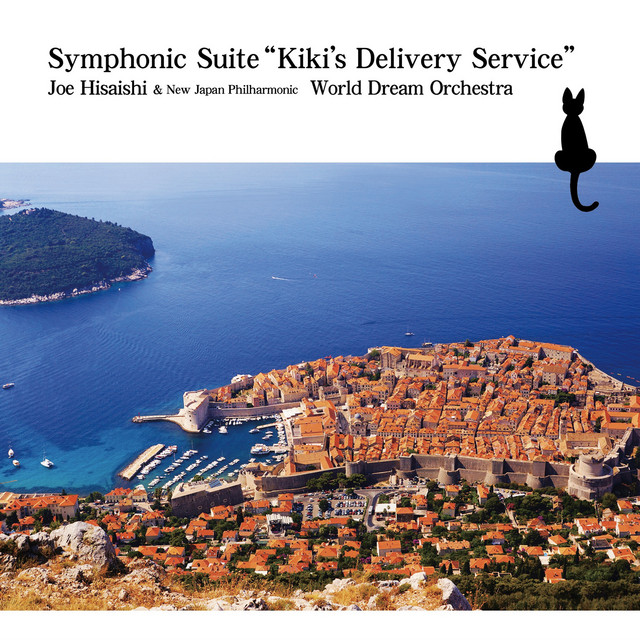
Album: Symphonic Suite “Kiki’s Delivery Service” When Joe Hisaishi first composed the music for Kiki’s Delivery Service in 1989, he crafted something deliberately light and European in character. Thirty years later, the challenge of transforming those intimate melodies into a full symphonic suite left the composer wrestling with fundamental questions about musical identity and artistic…
Written by
-
When Hidden Themes Become Unforgettable: Joe Hisaishi’s ‘Kaze no Toorimichi’
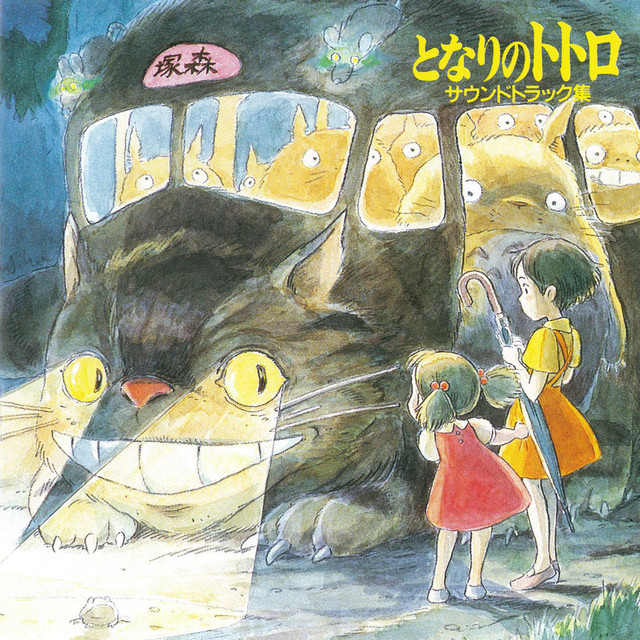
Album: となりのトトロ サウンドトラック集 Sometimes the most powerful musical moments in cinema come from what composers call their ‘hidden themes’ – those secondary melodies that weren’t meant to steal the spotlight but end up defining entire films. Joe Hisaishi’s ‘Kaze no Toorimichi’ (The Path of the Wind) from My Neighbor Totoro represents exactly this phenomenon, a…
Written by
-
Joe Hisaishi’s Transcendent Score for ‘Flower and Sword’: Where Beauty Meets Resistance
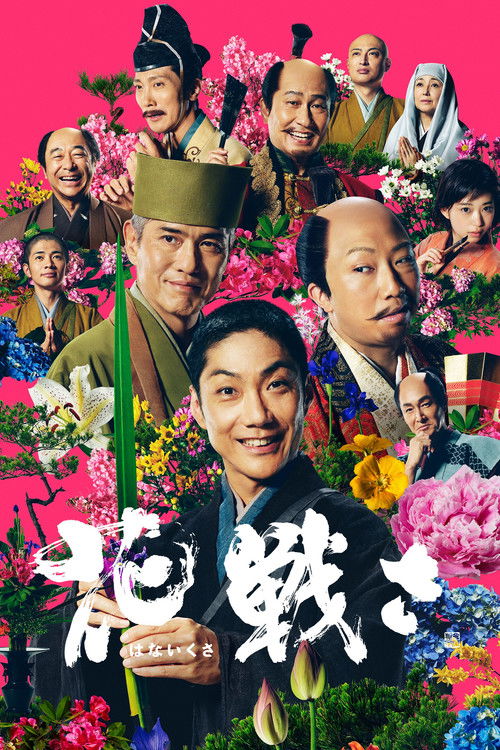
Tetsuo Shinohara’s 2017 film ‘Flower and Sword’ stands as a contemplative meditation on art, power, and spiritual resistance during Japan’s transformative late 16th century. Set in the aftermath of Nobunaga Oda’s death, the narrative follows two remarkable figures: Senko Ikenobo, a master of ikebana whose delicate flower arrangements become vessels of hope, and Rikyu, a…
Written by