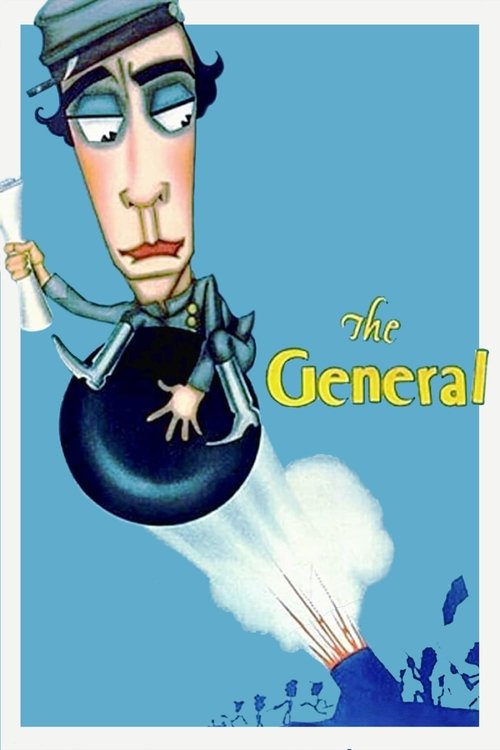
Buster Keaton’s “The General” remains one of cinema’s most extraordinary achievements—a 1926 silent film that combines breathtaking locomotive stunts, meticulous comedic timing, and genuine emotional depth. Directed by Clyde Bruckman, the film follows Johnny Gray, a Southern railway engineer whose beloved steam engine, “The General,” is stolen by Union spies during the American Civil War. Forced to pursue the thieves across hostile territory with his lady love Annabelle trapped aboard, Johnny embarks on a desperate mission to recover both his locomotive and his sweetheart. What emerges is far more than a simple comedy—it’s a touching love story wrapped in magnificent physical comedy and genuine pathos, all rendered through Keaton’s famously impassive face and extraordinary acrobatic prowess.
Upon its initial release, “The General” received mixed commercial success, though critics gradually recognized its brilliance. Today, it stands as perhaps the greatest silent comedy ever made, frequently appearing on lists of the greatest films of all time. The film’s reputation has only grown over the decades as audiences have come to appreciate Keaton’s innovative approach to physical comedy and Bruckman’s directorial vision. What was once dismissed has been rediscovered and celebrated as a genuine masterwork.
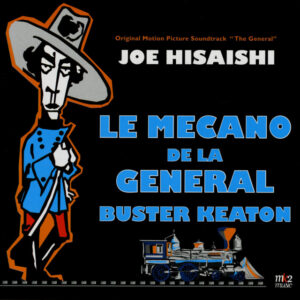
For contemporary viewers, experiencing “The General” without a musical accompaniment would be unthinkable—and this is precisely where Joe Hisaishi’s genius becomes indispensable. The renowned Japanese composer, celebrated for his collaborations with Hayao Miyazaki and his evocative orchestral works, has crafted a score that doesn’t merely accompany the film but fundamentally enhances and illuminates its emotional landscape. Hisaishi’s approach demonstrates profound respect for the material while bringing fresh vitality to this century-old work.
Hisaishi’s compositional strategy reveals a masterful understanding of silent cinema’s unique demands. Rather than overwhelming the action with dense orchestration, he employs a sophisticated palette of instrumental colors that support without dominating the visual narrative. The score features prominent piano passages that echo the era’s original silent film accompaniments, yet incorporates fuller orchestral textures that modern audiences expect. This delicate balance honors tradition while speaking to contemporary sensibilities.
The music’s thematic work showcases particular brilliance when depicting Johnny’s unwavering determination. Hisaishi has crafted a memorable, gently heroic theme that captures both the engineer’s quiet resolve and his underlying tenderness. This theme evolves throughout the film, becoming more triumphant as Johnny perseveres, yet never losing touch with its intimate origins. The composer understands that Johnny’s journey isn’t primarily about grand heroism—it’s about devotion and persistence.
In moments of comedic action, Hisaishi’s score demonstrates remarkable rhythmic precision. The music synchronizes exquisitely with Keaton’s physical comedy, providing rhythmic scaffolding that amplifies the humor without explaining it. During the extraordinary stunt sequences—particularly those involving “The General” itself—the orchestration swells magnificently, transforming mechanical spectacle into something almost balletic.
Perhaps most impressively, Hisaishi never allows the score to undermine the film’s emotional authenticity. When Johnny’s desperation becomes poignant, when his love for Annabelle emerges as genuinely moving rather than merely sentimental, the music provides gentle, orchestral support that validates these deeper feelings. The composer recognizes that beneath Keaton’s deadpan exterior lies genuine human yearning, and the score articulates what the actor’s face cannot.
Joe Hisaishi’s score transforms “The General” into a complete artistic experience, proving that even century-old cinema can be revitalized through inspired musical accompaniment. His work stands as testament to cinema’s enduring power.