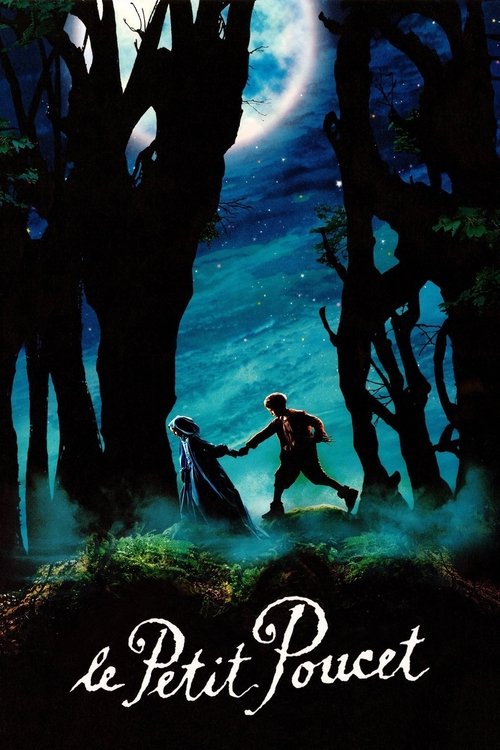
Olivier Dahan’s 2001 adaptation of Charles Perrault’s classic French fairy tale “Le petit poucet” brings the beloved story of Tom Thumb to the screen with a distinctly contemporary visual sensibility. The film follows young Poucet and his siblings as they navigate a dark forest after their impoverished parents abandon them, encountering magical creatures and fantastical obstacles along the way. What makes this particular adaptation stand out, however, is not merely Dahan’s distinctive directorial vision, but the remarkable musical accompaniment provided by the celebrated Japanese composer Joe Hisaishi. His score transforms the film into a sonic journey that perfectly complements the story’s blend of childhood wonder and genuine peril.
Upon its release, “Tom Thumb” received moderate critical attention, though it remained somewhat overlooked compared to other major European fairy tale adaptations of the era. The film’s darker, more surreal interpretation of Perrault’s tale divided audiences—some praised Dahan’s willingness to embrace the story’s inherent darkness, while others found the grim atmosphere at odds with traditional family entertainment. Nevertheless, the film has developed a devoted following among fans of unconventional children’s cinema and European fantasy filmmaking. For many of these enthusiasts, the film’s enduring appeal lies significantly in how Hisaishi’s sophisticated score elevates the material beyond typical children’s film fare.
Hisaishi’s compositional approach to “Tom Thumb” demonstrates his remarkable versatility and deep understanding of narrative cinema. The score balances whimsy with melancholy, featuring recurring melodic themes that evolve throughout the narrative. The main theme for young Poucet himself is particularly memorable—a delicate, almost plaintive melody performed on strings and woodwinds that captures both the character’s vulnerability and his quiet courage. This theme serves as an emotional anchor, returning at crucial moments to remind viewers of the child’s humanity amidst increasingly fantastical circumstances.
What distinguishes Hisaishi’s work here is his sophisticated use of orchestration to mirror the film’s visual progression. As Poucet and his siblings venture deeper into the forest, the music grows progressively more complex and unsettling, incorporating atonal elements and unconventional instrumental combinations. Hisaishi employs techniques reminiscent of his work on more experimental projects, layering delicate melodies against darker, more discordant undercurrents that reflect the genuine danger the children face. The composer never allows the score to become purely dark or purely light; instead, he creates a nuanced soundscape that respects the audience’s intelligence and the tale’s moral complexity.
Particularly striking are the sequences accompanying the children’s encounters with magical beings. Hisaishi crafts distinctive musical signatures for each encounter—shimmering, ethereal passages for benevolent spirits contrasted with more aggressive, pulsating rhythms for threatening forces. The orchestration frequently features traditional European instruments alongside unconventional choices, creating a sound world that feels both grounded in European tradition and touched by Hisaishi’s unique, transcultural sensibility. His use of silence and restraint proves equally powerful, allowing visual moments to breathe while the music provides subtle emotional guidance rather than overwhelming manipulation.
For European audiences particularly, Hisaishi’s score represents an fascinating East-West artistic collaboration, demonstrating how a Japanese composer could internalize and reimagine a French cultural artifact through deeply personal musical language. The result is a score that honors Perrault’s original tale while transcending geographical and cultural boundaries, speaking to universal themes of loss, resilience, and the transformative power of childhood imagination.