
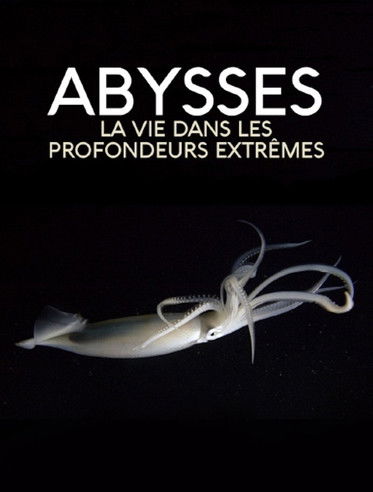
Manabu Hirose’s 2018 documentary ‘Extreme der Tiefsee – Abysses’ takes viewers on an extraordinary journey into Earth’s most inhospitable environments. The film follows two international scientific expeditions as they venture into the icy Antarctic waters and descend into the crushing darkness of the Mariana Trench. Through groundbreaking cinematography, audiences witness bizarre deep-sea creatures and organisms adapted to survive in conditions that seem utterly alien to our terrestrial experience. This unprecedented visual exploration of our planet’s final frontiers represents a significant achievement in nature documentary filmmaking, combining scientific rigor with cinematic wonder.
The film received considerable acclaim upon its release, particularly in European markets where documentary cinema maintains a strong cultural presence. Critics praised Hirose’s ability to transform scientific exploration into compelling visual narrative, while the unprecedented access to creatures and ecosystems previously unseen on film garnered international recognition. The documentary found enthusiastic audiences among both marine biology enthusiasts and general viewers fascinated by extreme natural phenomena, establishing itself as a significant contribution to contemporary nature filmmaking.
Yet what truly elevates ‘Extreme der Tiefsee – Abysses’ into the realm of artistic achievement is Joe Hisaishi’s magnificent score, which functions as far more than mere accompaniment. Hisaishi, renowned for his decades-long collaboration with director Hayao Miyazaki and his distinctive compositional voice, approaches this documentary with the same philosophical depth and emotional intelligence he brings to every project. His music becomes the emotional substrate through which the visual mysteries unfold, transforming scientific observation into something approaching the transcendent.
Hisaishi’s compositional approach for the abyssal depths emphasizes space, silence, and the sublime. Rather than employing traditional orchestral bombast, the composer utilizes sparse instrumental textures—isolated strings, minimalist piano lines, and subtle harmonic progressions—that mirror the absolute silence of the ocean floor. The music seems to emerge from the darkness itself, as if the abyss possesses its own voice. This restraint proves remarkably effective, allowing viewers to absorb the visual wonder without distraction while simultaneously deepening the emotional resonance of each discovery.
When creatures appear in the film’s most extraordinary moments, Hisaishi’s orchestration responds with delicate, otherworldly passages. His use of extended instrumental techniques and unconventional timbre choices evokes the alien nature of these organisms without resorting to the melodramatic underscore typical of many documentaries. The music acknowledges that these creatures are not monsters or curiosities, but rather perfectly adapted inhabitants of their extreme environment—worthy of reverence and contemplation.
The Antarctic sequences showcase Hisaishi’s mastery of conveying isolation and majesty simultaneously. Sparse yet elegant instrumental passages underscore the desolate beauty of the frozen landscape, while subtle dynamic shifts suggest the immense power lurking beneath the ice. The composer recognizes that the extreme environment itself constitutes the true protagonist, and his score reflects this understanding through patient, atmospheric development rather than conventional narrative momentum.
Ultimately, Hisaishi’s contribution transforms ‘Extreme der Tiefsee – Abysses’ into a complete artistic vision where science and music intertwine. His score respects both the visual spectacle and the intellectual curiosity driving the expeditions, creating a listening experience that complements rather than competes with the documentary’s imagery. For European audiences encountering this film, Hisaishi’s music provides the perfect gateway into understanding how contemporary orchestral composition can illuminate our relationship with the natural world’s greatest mysteries.