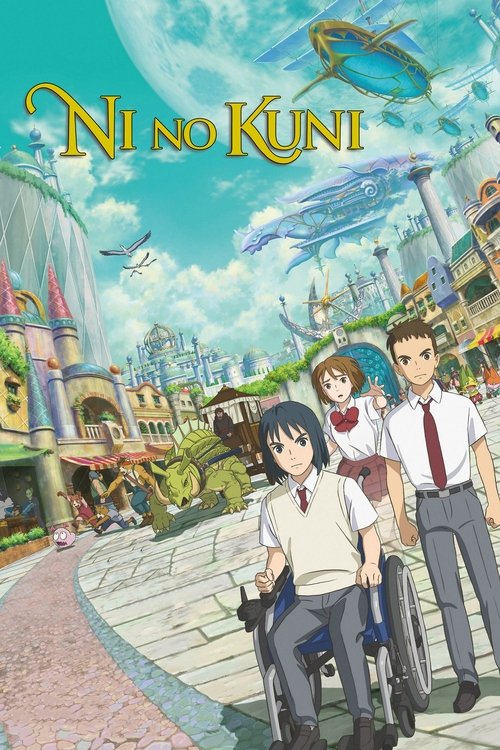
NiNoKuni, the 2019 film adaptation directed by Yoshiyuki Momose, brings the beloved video game series to the big screen with a touching story of friendship and sacrifice. The narrative follows high school friends Yuu and Haru as they discover the ability to travel between two parallel worlds, embarking on a perilous journey to save their childhood friend Kotona from a mysterious life-threatening condition. What begins as a desperate rescue mission evolves into a complex emotional odyssey where the three protagonists must confront difficult choices about love, loyalty, and what it means to truly save someone. The film masterfully weaves magical adventure with intimate human drama, creating a compelling narrative that resonates with audiences seeking substance beneath its fantastical surface.
Since its theatrical release, NiNoKuni has garnered considerable acclaim across Europe and beyond, earning recognition for its stunning animation and emotionally mature storytelling. The film successfully expanded the franchise’s appeal beyond gaming enthusiasts, introducing Studio Ghibli-adjacent aesthetics to a broader cinematic audience. European critics particularly praised the film’s willingness to explore morally nuanced territory, refusing easy answers to its central dilemmas. The movie demonstrated that anime films could achieve both commercial success and critical legitimacy, paving the way for increased investment in similar projects.
At the heart of NiNoKuni’s emotional power lies Joe Hisaishi’s magnificent orchestral score, a work that stands among his finest achievements. Hisaishi, renowned for his collaborations with Studio Ghibli and Hayao Miyazaki, approached this project with a compositional strategy specifically designed to underscore the dual-world narrative structure. The score employs distinct musical palettes for each world: ethereal, enchanting themes characterize the magical realm, while more grounded, emotionally intimate motifs anchor the contemporary world of the protagonists. This musical duality reinforces the film’s central conceit, allowing audiences to feel the fundamental difference between these parallel dimensions.
The composer’s thematic approach demonstrates remarkable sophistication. The primary theme, introduced early in the film, carries an almost heartbreaking simplicity that grows richer through orchestral variation. Hisaishi layers delicate woodwinds and strings to create moments of wonder, yet never allows the score to overshadow the characters’ emotional vulnerabilities. When Kotona’s condition becomes critical, the music shifts to reflect mounting tension, employing dissonant string arrangements and minor key progressions that mirror the psychological turmoil of the trio.
What distinguishes Hisaishi’s work here is his masterful synchronization between music and visual narrative. During sequences depicting the teens navigating the magical world, his orchestration swells with adventurous energy, incorporating traditional Japanese instruments alongside Western orchestral elements. Conversely, intimate scenes between the three friends feature sparse, poignant piano passages that strip away instrumentation to reveal the emotional core of their relationships. This restraint showcases Hisaishi’s mature understanding that sometimes silence speaks louder than notes.
The climactic sequences feature Hisaishi at his most ambitious, combining all thematic elements into a complex tapestry of sound that validates every emotional beat preceding it. The final confrontation between the worlds is accompanied by a score that feels simultaneously transcendent and achingly human, capturing the bittersweet nature of the film’s resolution.
For European listeners discovering Hisaishi’s work through NiNoKuni, the score represents an ideal entry point into his compositional genius, demonstrating why this master orchestrator remains essential to contemporary anime cinema.