Takeshi Kitano’s 1997 masterpiece ‘Fireworks’ presents a deceptively simple premise that conceals profound philosophical and emotional depths. The film follows Nishi, a weary police detective whose world unravels when his wife falls ill with leukemia and his partner is crippled by yakuza violence. Desperate to navigate this moral wasteland, Nishi takes matters into his own hands—borrowing from loan sharks and ultimately robbing a bank in a futile attempt to restore what has been broken. What emerges is not a conventional crime thriller, but rather a meditation on desperation, honor, and the limits of human agency in an indifferent world.
Upon its release, ‘Fireworks’ solidified Kitano’s reputation as one of cinema’s most distinctive voices, earning critical acclaim across Europe and Asia alike. The film’s measured pacing, deadpan humor, and philosophical undertones challenged audiences accustomed to more conventional narratives. While it received mixed commercial reception in some markets, cinephiles and critics recognized the film as a landmark work of 1990s Japanese cinema—a poignant examination of masculine vulnerability and societal failure that resonated deeply with European sensibilities regarding art cinema.
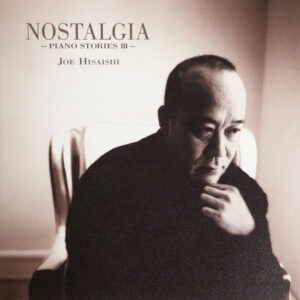
Yet to fully appreciate ‘Fireworks,’ one must turn to Joe Hisaishi’s extraordinary musical score, which elevates the entire work into something transcendent. Hisaishi, Kitano’s frequent collaborator, crafted a score that mirrors the film’s thematic preoccupations with resignation and quiet desperation. The music never overwhelms; instead, it whispers alongside the narrative, creating an intimate dialogue between sound and image that defines the viewing experience.
Hisaishi’s compositional approach embraces minimalism and emotional restraint—aesthetic choices that perfectly complement Kitano’s visual style. The score frequently employs sparse piano passages that echo through scenes of urban loneliness, reinforcing the protagonist’s isolation. These delicate melodic fragments feel almost fragile, as if they might dissolve under the weight of the world’s cruelty. The piano becomes Nishi’s internal voice, expressing the emotional turbulence he cannot articulate through speech.
When orchestration enters, Hisaishi demonstrates remarkable restraint. Rather than swelling into grandiose statements, the strings and woodwinds expand gradually, creating a sense of gathering inevitability. This compositional choice mirrors Nishi’s own trajectory—a slow, inexorable descent into circumstances beyond his control. The music never judges; it simply accompanies, becoming a compassionate observer of human frailty.
Particularly striking is how Hisaishi uses silence as a compositional tool. Extended passages of the film play without musical accompaniment, allowing the viewer to confront raw emotion unmediated by sentiment. When the music does return, its impact is magnified exponentially. This rhythmic deployment of sound and silence creates a profound emotional architecture that European audiences, with their appreciation for subtle, introspective cinema, find deeply moving.
The score’s themes recur and evolve throughout the film, creating musical motifs that parallel narrative developments. A simple melodic phrase introduced early transforms subtly, reflecting the moral and emotional transformations Nishi undergoes. Hisaishi’s ability to convey psychological progression through purely musical means demonstrates why he remains one of cinema’s greatest composers.
Ultimately, Hisaishi’s score for ‘Fireworks’ transcends mere accompaniment—it becomes an essential narrative voice, expressing what Kitano’s famously taciturn direction leaves unsaid, creating an unforgettable union of sight and sound.