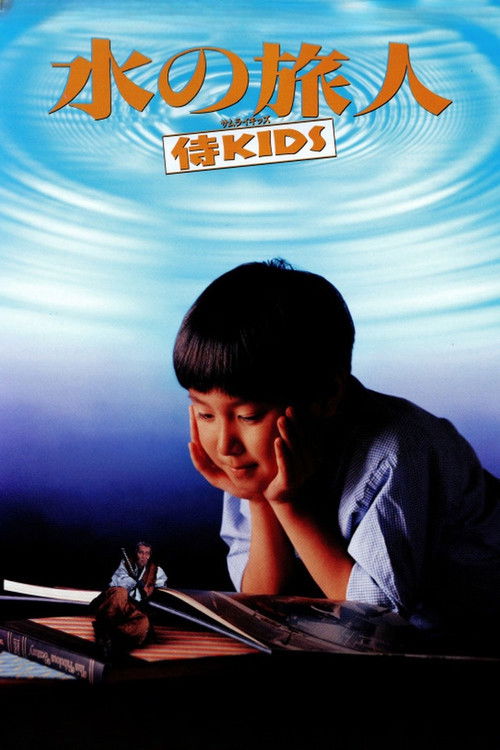
Nobuhiko Obayashi’s 1993 fantasy adventure film Samurai Kids presents a delightfully imaginative premise that captures the wonder of childhood discovery. The narrative follows an eight-year-old boy who encounters an ancient samurai warrior standing merely six inches tall, launching both characters into an extraordinary journey filled with special effects-driven adventure and magical encounters. This whimsical collision between the everyday world of a modern child and the legendary world of feudal Japan creates a unique cinematic experience that blends fantasy, humor, and heartfelt emotion in a way that appeals to both young audiences and nostalgic adults.
When Samurai Kids arrived in Japanese cinemas, it received a warm reception from families and film enthusiasts alike. The film’s imaginative premise and Obayashi’s distinctive visual style generated considerable interest, though it remained somewhat under the radar in international markets during its theatrical run. Nevertheless, the film has developed a dedicated following among fans of 1990s Japanese cinema and children’s fantasy films, earning appreciation for its creative storytelling and technical ambition. The film’s legacy has grown steadily, particularly among those who discovered it through home video releases and, more recently, through streaming platforms that have made Obayashi’s diverse filmography more accessible to global audiences.
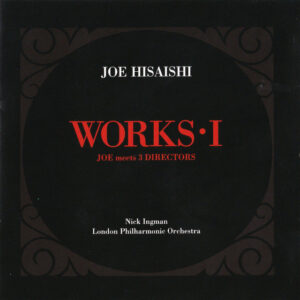
At the heart of Samurai Kids lies Joe Hisaishi’s remarkable musical score, a composition that elevates the entire viewing experience with its sophisticated orchestral arrangements and thematic richness. Hisaishi demonstrates his characteristic mastery of blending traditional Japanese musical elements with Western orchestral sensibilities, creating a soundscape that perfectly mirrors the film’s cultural hybridity. The score employs leitmotifs that evolve alongside the narrative, with distinct themes representing both the young protagonist’s everyday world and the mystical realm of the ancient samurai warrior.
Hisaishi’s compositional approach showcases his ability to capture the sense of wonder essential to fantasy cinema. The music swells with grandeur during moments of magical revelation, employing sweeping string arrangements and purposeful brass sections that underscore the epic nature of the samurai’s legend, while maintaining an accessibility that never talks down to younger viewers. Simultaneously, the composer crafts more intimate, delicate passages that underscore the growing friendship between boy and warrior, employing lighter instrumentation and gentler melodic contours.
What distinguishes Hisaishi’s contribution is his intuitive understanding of the film’s tonal balance. The score never overwhelms Obayashi’s visual storytelling; instead, it amplifies emotional beats and provides musical scaffolding for the special effects sequences. During action sequences and fantasy moments, the music becomes kinetic and propulsive, while quieter character moments receive subtle, nuanced accompaniment. This dynamic range keeps the score engaging throughout the film’s runtime, preventing listener fatigue while maintaining thematic coherence.
The instrumentation itself reflects the film’s bicultural dialogue. Traditional Japanese instruments occasionally emerge from within the Western orchestral framework, never as exoticized additions but as natural components of a unified musical language. This integration reflects Hisaishi’s philosophy of composition, where East and West enhance rather than compete with one another. The resulting score stands as a testament to his genius for creating music that serves narrative purpose while remaining independently artistically satisfying, making Samurai Kids a fascinating addition to his substantial body of film music work.