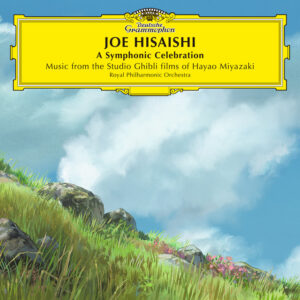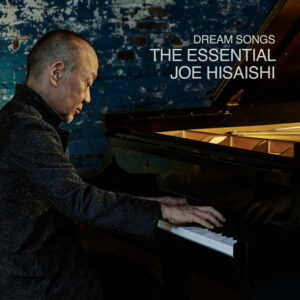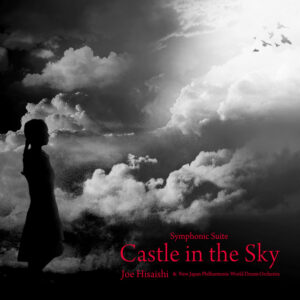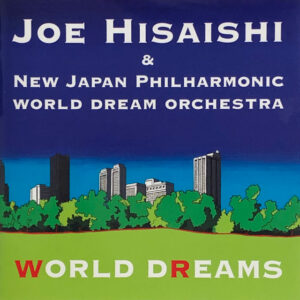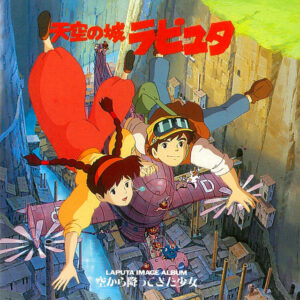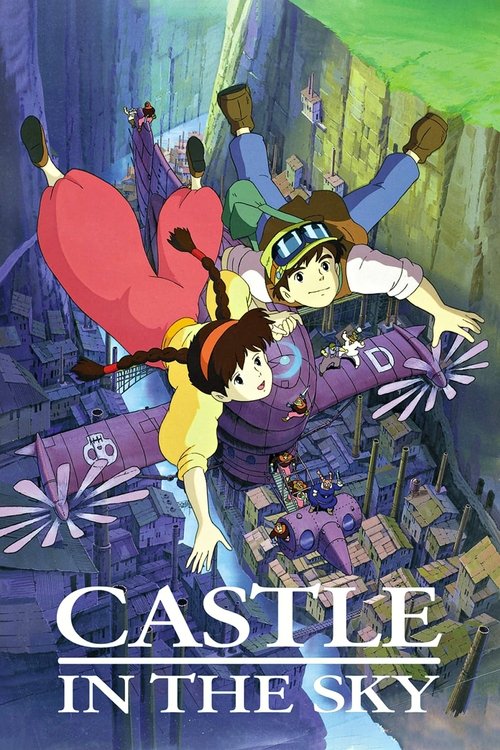
When Hayao Miyazaki’s “Castle in the Sky” premiered in 1986, it introduced audiences to a breathtaking world where a young boy and girl possessing a magical crystal embark on an adventure to find the legendary floating castle of Laputa. Racing against determined pirates and relentless foreign agents, the protagonists must navigate a journey filled with wonder, danger, and mystery. This fantastical premise would captivate viewers across the globe, but it was the film’s extraordinary musical accompaniment that truly elevated it to legendary status.
The film’s reception upon release was remarkable, particularly in Japan where it became a box office phenomenon and established Studio Ghibli as a force in animation. European audiences, discovering the film in subsequent years through theatrical releases and home video, were equally entranced by Miyazaki’s visual storytelling. “Castle in the Sky” has since become regarded as a cornerstone of animated cinema, influencing countless filmmakers and animators worldwide. The film’s enduring popularity across Europe speaks to its universal themes of friendship, courage, and the pursuit of dreams—qualities that transcend cultural boundaries.
However, what truly distinguishes “Castle in the Sky” is Joe Hisaishi’s phenomenal score, a work that fundamentally demonstrates why he stands among cinema’s greatest composers. Hisaishi’s approach to the film was distinctly symphonic, creating a full orchestral score that rivals traditional live-action film compositions in ambition and sophistication. Rather than treating animation as secondary to music, Hisaishi crafted a score that exists as an equal partner to Miyazaki’s visuals, elevating every frame through carefully considered orchestration.
The film’s main theme is instantly recognizable and emotionally resonant, featuring soaring melodies that capture the sense of adventure and discovery central to the narrative. Hisaishi employs sweeping string arrangements and brass fanfares that convey both the wonder of discovering Laputa and the urgency of the chase sequences. His compositional technique demonstrates remarkable versatility—from intimate moments between characters accompanied by gentle piano passages to grand action sequences underscored by full orchestral power.
What makes Hisaishi’s work particularly masterful is how his music psychologically guides viewers through the emotional landscape of the story. During moments of peril, his compositions intensify with driving rhythms and discordant harmonies, while tender scenes between the young protagonists are accompanied by delicate, heartfelt melodies that emphasize their vulnerable connection. The composer understood instinctively that animated films require music to compensate for what animation cannot express through facial subtlety alone, so he created music of profound emotional depth.
The score’s instrumentation reveals Hisaishi’s classical training and his respect for orchestral traditions. He incorporates folk instruments and unconventional percussion to enhance the film’s fantastical atmosphere while maintaining melodic clarity that ensures the music remains accessible rather than experimental. This balance between sophistication and emotional directness is precisely why “Castle in the Sky’s” score resonates so powerfully with European audiences familiar with classical music traditions.
Joe Hisaishi’s work on “Castle in the Sky” represents a turning point in animated film scoring, proving that animation deserved compositions of equivalent artistic merit to live-action cinema. The score’s enduring legacy continues to inspire composers and delight listeners, cementing both the film and its music as timeless masterpieces that transcend their medium.