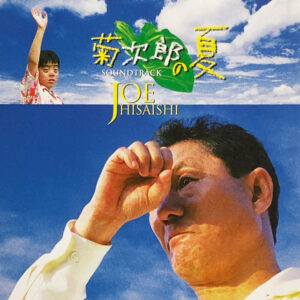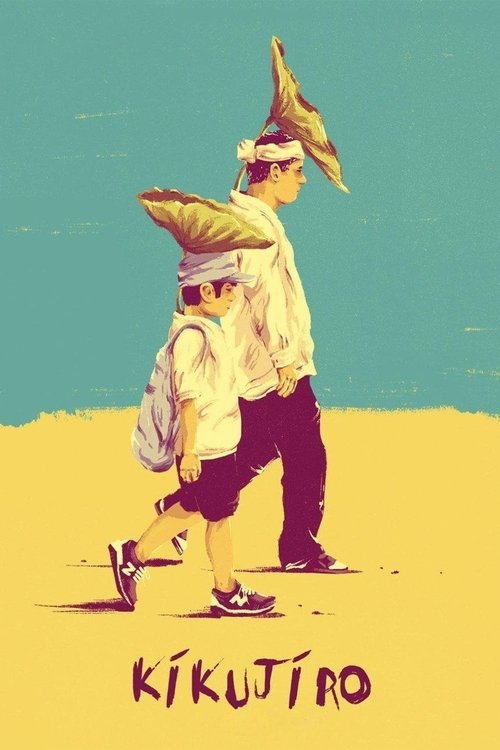
Takeshi Kitano’s 1999 film Kikujiro presents a deceptively simple premise that unfolds into something far more profound and touching. The narrative follows Masao, a young boy on a quest to meet his estranged mother, who becomes paired with Kikujiro, a brash and seemingly unsuitable adult companion. Their journey across Japan transforms into an odyssey filled with unexpected encounters, moments of genuine humor, and surprising emotional depth. What could have been merely a road movie instead becomes a meditation on human connection, redemption, and the search for belonging—themes that are amplified immeasurably by Joe Hisaishi’s extraordinary musical accompaniment.
Upon its release, Kikujiro garnered significant critical acclaim, establishing itself as one of Kitano’s most beloved and accessible works. The film resonated particularly well with international audiences who appreciated its gentle approach to storytelling, contrasting sharply with Kitano’s more violent filmography. In Europe especially, the film found enthusiastic appreciation for its humanistic warmth and cross-generational appeal. The collaboration between Kitano’s direction and Hisaishi’s score became exemplary of how cinema music could elevate narrative simplicity into emotional complexity.
Joe Hisaishi’s contribution to Kikujiro deserves examination as a central pillar of the film’s success. Rather than overwhelming the narrative with grandiose orchestration, Hisaishi crafted a score that functions almost as a character itself, gently guiding viewers through the emotional landscape of Masao and Kikujiro’s relationship. The compositional approach demonstrates remarkable restraint; Hisaishi employs sparse instrumentation in many sequences, allowing dialogue and ambient sound to breathe naturally before introducing musical elements that deepen emotional resonance.
The score’s thematic architecture revolves around several interconnected melodic ideas. A primary theme captures the bittersweet innocence of childhood longing, characterized by its delicate piano writing and subtle string arrangements. This theme evolves throughout the narrative, gaining layers and orchestral depth as Masao’s journey progresses and his bond with Kikujiro deepens. Another recurring motif reflects Kikujiro’s own internal transformation, initially presented in rougher, more comedic arrangements that gradually mature into something more tender and introspective.
What distinguishes Hisaishi’s approach is how meticulously the music synchronizes with visual storytelling. During comedic moments, the score maintains a light, almost playful quality that complements Kitano’s quirky humor without undermining it. During scenes of genuine pathos—such as moments when Masao’s longing for his mother surfaces—Hisaishi’s music becomes achingly tender, using minimalist piano passages and warm woodwind textures that validate the boy’s emotional vulnerability. The orchestration swells during landscape sequences, where Japan’s natural beauty receives musical celebration that enhances Kitano’s framing.
The score exemplifies Hisaishi’s mature compositional philosophy: music that serves the story rather than overshadowing it. His use of traditional Japanese instrumental textures woven subtly throughout the Western orchestral framework creates a cultural specificity that grounds the narrative firmly in its setting. The result is a score that European listeners can embrace as universally resonant while recognizing its distinctly Japanese sensibility.
Kikujiro’s enduring appreciation owes substantially to Hisaishi’s score, which transforms a simple road movie into a profound exploration of human connection, loss, and redemption.

![Shoot The Violist[ヴィオリストを撃て]](https://hisaishimusic.com/wp-content/uploads/2026/03/cover-9-300x300.jpg)