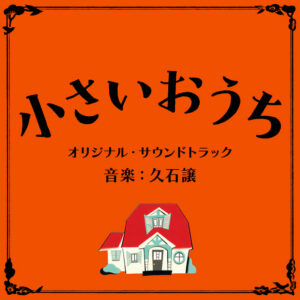
Yoji Yamada’s 2014 film “The Little House” presents a delicate meditation on memory, loss, and the hidden depths of ordinary lives. The narrative unfolds through an intimate discovery: when the elderly and unmarried Taki passes away, her young relative Takeshi finds handwritten pages containing her carefully preserved memories. These intimate recollections transport him—and us—back to her youth, when she worked as a housemaid and nanny for the Hirai family in a charming Tokyo residence distinguished by its distinctive red gabled roof. It is a story of quiet resilience, unspoken emotions, and the small moments that define a life lived in the shadows of others’ family dramas.
The film has resonated deeply with audiences, particularly in Japan and across Asia, where it touched viewers’ hearts with its understated elegance and emotional authenticity. Critics praised Yamada’s direction for its respectful treatment of aging and memory, and for elevating what could have been a simple story into something profoundly moving. The film’s success contributed to a broader appreciation for intimate, character-driven narratives in contemporary cinema, demonstrating that cinema need not shout to be heard.
Yet perhaps more than any visual element, it is Joe Hisaishi’s luminous score that elevates “The Little House” into the realm of truly affecting cinema. Hisaishi, renowned for his collaborations with Hayao Miyazaki and his gifts for emotional storytelling through music, brings his considerable artistry to this intimate family drama. His compositional approach here is one of remarkable restraint and poetic sensitivity. Rather than employing the sweeping orchestral gestures that characterize some of his more famous work, Hisaishi constructs a soundscape built on delicate instrumental textures, often featuring solo piano and gentle string arrangements that mirror the fragility of memory itself.
The score’s primary thematic material moves between past and present with graceful transitions, musically embodying the film’s central conceit of memory emerging from the present moment. When Takeshi discovers Taki’s written memories, the music shifts—subtle harmonic changes and gentle melodic variations suggest the opening of a door to the past. Hisaishi’s piano writing is particularly masterful here, with sparse, contemplative passages that suggest both loneliness and inner dignity. The composer understands that Taki’s life, though lived largely in service to others, possessed its own quiet beauty, and his music never condescends to sentimentality even as it explores deep wells of emotion.
The composer demonstrates remarkable sensitivity to the visual narrative, with his orchestrations expanding and contracting to match the emotional temperature of each scene. Scenes within the little house itself are often accompanied by warm, intimate instrumental combinations—a small ensemble that feels almost like a conversation between old friends. When the narrative explores Taki’s unspoken feelings or the family tensions within the Hirai household, Hisaishi’s music becomes more complex, introducing subtle dissonances and harmonic ambiguities that reflect the complicated emotional undercurrents beneath the surface.
What ultimately defines Hisaishi’s achievement here is his understanding that the most powerful film music need not dominate the screen. Instead, it creates a supportive emotional framework, gently guiding viewers through Taki’s story while respecting both the film’s contemplative pace and the profound humanity of its protagonist. It is music that honors memory itself.