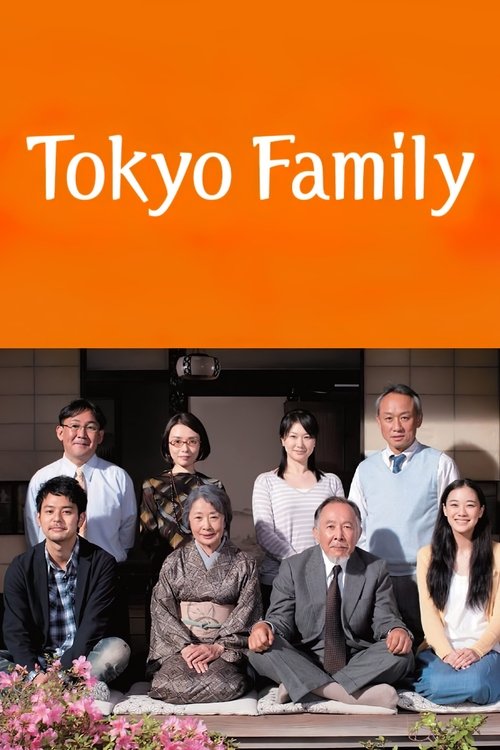
Yoji Yamada’s 2013 film ‘Tokyo Family’ presents a deceptively simple narrative that becomes profoundly moving through its exploration of intergenerational disconnection. The story follows an elderly couple who travel from their quiet hometown to visit their adult children in bustling Tokyo, only to discover that their offspring are consumed by their own busy lives—careers, relationships, and personal concerns that leave little room for family connection. What emerges is a tender meditation on loneliness, belonging, and the quiet heartbreak of aging in a rapidly changing world.
The film resonated deeply with audiences across Asia and garnered significant critical acclaim, particularly in Japan where it became a commercial success. Yamada’s sensitive direction struck a chord with viewers who recognised the universal struggles of family dynamics and the passage of time. European audiences, too, found themselves drawn to the film’s humanistic approach and its rejection of melodrama in favour of authentic, understated emotion. The film’s gentle realism—depicting not dramatic conflict but the subtle erosion of connection—proved refreshingly honest for many international viewers.
However, it is Joe Hisaishi’s magnificent score that elevates ‘Tokyo Family’ from a competent family drama into something genuinely transcendent. The composer, renowned for his work with Hayao Miyazaki and his ability to infuse cinema with emotional depth, brings his considerable gifts to bear on this intimate character study. His score becomes the film’s emotional backbone, articulating the unspoken feelings that the characters themselves struggle to express.
Hisaishi’s compositional approach here is marked by restraint and subtlety. Rather than overwhelming scenes with sweeping orchestral gestures, the composer employs delicate instrumentation—piano, strings, and carefully placed solo instruments that seem to whisper rather than declare. The main theme captures the bittersweet essence of the narrative: it carries a sense of nostalgia and longing, yet maintains an undercurrent of gentle acceptance. There is no anger or desperation in this music, only the quiet recognition of life’s inevitable changes.
The piano features prominently throughout the score, often serving as a meditation on memory and lost time. When we observe the elderly couple navigating Tokyo’s indifferent streets or sitting quietly in their children’s homes, Hisaishi’s sparse piano passages underscore their isolation without ever turning maudlin. The music acknowledges pain while somehow transcending it, suggesting that even in disconnection there exists a kind of grace.
What distinguishes Hisaishi’s work here is his understanding that silence and space are as important as notes themselves. He resists the temptation to fill every moment with music, allowing scenes to breathe and characters to exist in unscored moments. When the score does emerge, it carries tremendous weight precisely because it has been absent. This creates a profound symbiosis between image and sound, where the music seems to emerge organically from the emotional landscape rather than being imposed upon it.
The score’s thematic material explores the intersection of individual loneliness and shared human experience. Hisaishi suggests that while these characters may feel isolated, their struggles are profoundly universal—a message conveyed through music that feels both deeply personal and broadly resonant. For European listeners and viewers encountering this score, it serves as a reminder of music’s ability to bridge cultural boundaries and speak directly to the heart. In ‘Tokyo Family,’ Hisaishi’s art reaches its highest calling: making us feel less alone.