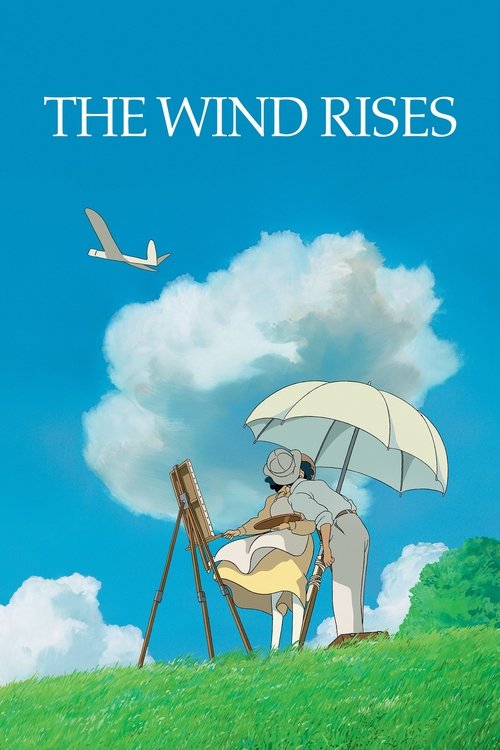
Hayao Miyazaki’s final directorial work, “The Wind Rises” (2013), stands as a poignant meditation on dreams, creativity, and the moral complexities of artistic ambition. The film follows Jiro Horikoshi, a visionary Japanese aviation engineer whose lifelong passion for flight leads him to design the A-6M fighter plane during World War II. Rather than presenting a straightforward historical narrative, Miyazaki crafts an intimate character study that blends reality with dreamlike sequences, exploring how personal aspirations intersect with national destiny and wartime tragedy.
Upon its release, “The Wind Rises” received both critical acclaim and considerable controversy. The film’s sympathetic portrayal of a man who created a weapon of war sparked debate in Japan and internationally, with some viewers praising its nuanced approach to a complicated historical figure, while others questioned whether it adequately addressed the ethical dimensions of its subject matter. Nevertheless, the film achieved substantial commercial success and earned a nomination for the Academy Award for Best Animated Feature, cementing its place as a significant work in contemporary cinema.
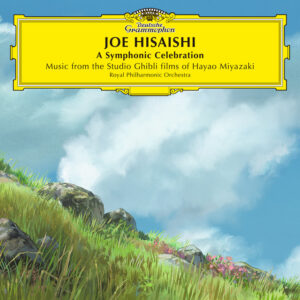
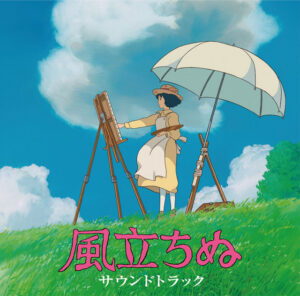
At the heart of this remarkable film lies Joe Hisaishi’s extraordinary score, which operates as far more than mere accompaniment to Miyazaki’s visuals. Hisaishi’s music becomes the emotional and philosophical backbone of “The Wind Rises,” elevating the narrative with compositions that capture both the soaring wonder of Jiro’s dreams and the underlying melancholy of his journey. The composer employs a sophisticated orchestral palette that mirrors the film’s thematics—delicate piano passages evoke Jiro’s introspective moments, while sweeping orchestral arrangements capture the majesty of flight and human achievement.
The score’s central theme, which recurs throughout the film in various iterations, embodies a bittersweet beauty that perfectly encapsulates the film’s central tension. Hisaishi crafts a melody that simultaneously celebrates human ambition and mourns its tragic consequences, never allowing viewers to settle comfortably into pure admiration or condemnation. The theme transforms across the film—sometimes heroic and triumphant, other times sparse and haunting—reflecting Jiro’s own emotional trajectory from idealistic youth to conflicted maturity.
Hisaishi demonstrates remarkable compositional restraint in this work, understanding that Miyazaki’s visuals often require space to breathe. In numerous scenes, particularly those depicting Jiro’s dream sequences or his quiet moments of inspiration, the music provides minimal instrumentation—perhaps just a solo cello or piano—allowing the animation to communicate its own emotional language. This minimalism makes the moments of full orchestral swell all the more impactful, creating a dynamic emotional landscape that respects both the image and the ear.
The composer’s approach to integrating traditional Japanese musical elements with Western classical orchestration proves particularly effective. Wind instruments occasionally evoke the sound of aircraft engines, while string passages suggest both the elegance of engineering and the fragility of human relationships. When Jiro’s romantic relationship develops, Hisaishi’s music becomes achingly tender, grounding the film’s abstract themes of creation and flight in deeply personal emotion.
Ultimately, Joe Hisaishi’s score for “The Wind Rises” represents the culmination of decades collaborating with Miyazaki. This music doesn’t simply support the narrative; it questions it, celebrates it, and mourns it simultaneously. For European audiences encountering this film, Hisaishi’s universal yet distinctly Japanese musical voice offers a gateway into understanding both Miyazaki’s artistic vision and the complex emotional landscape that makes this final feature unforgettable.