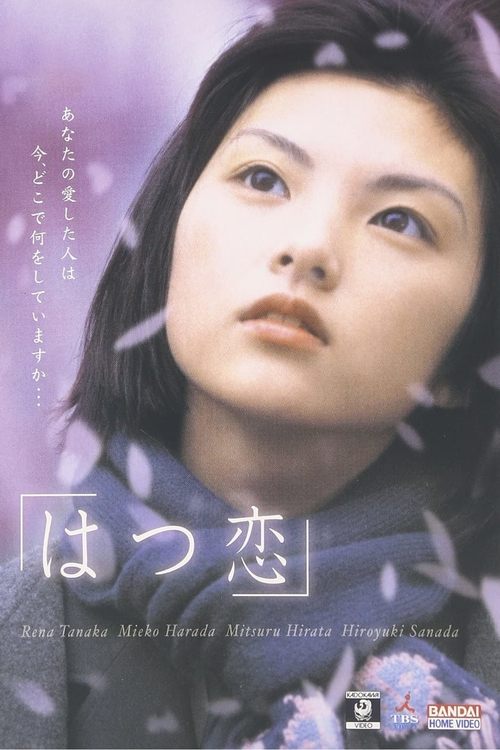
Tetsuo Shinohara’s ‘First Love’ stands as a quietly charming entry in the coming-of-age genre, offering audiences a surprisingly touching exploration of second chances and unexpected connections. The film follows 17-year-old Sataka, whose discovery of a love letter written to her mother decades earlier sets in motion a series of events that reshape multiple lives. When Sataka encounters Shinichiro, the letter’s author—a dejected man adrift in the margins of society—she embarks on an earnest mission to transform him and reunite her parents’ long-severed connection. What begins as a quirky premise gradually unfolds into something far more profound, a meditation on how love and human connection can transcend time and circumstance.
Upon its release in Japan, ‘First Love’ found appreciative audiences drawn to its gentle wisdom and genuine emotional authenticity. The film’s blend of humor and poignancy resonated particularly well with viewers who appreciated its refusal to condescend to either its teenage protagonist or its flawed adult characters. While it may not have achieved blockbuster status, the film earned respect for its understated approach to storytelling and its commitment to character development over melodrama. The film’s modest but steady reception established it as a cult favorite among those seeking something more thoughtful than typical romantic fare.
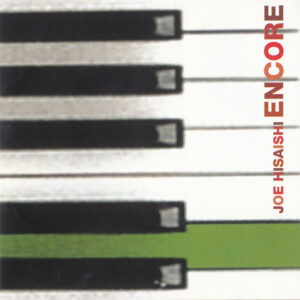
Yet perhaps the film’s greatest strength lies in Joe Hisaishi’s sublime musical accompaniment. The legendary composer, best known for his collaborations with Hayao Miyazaki, brings his characteristic sensitivity and sophistication to Shinohara’s delicate narrative. Hisaishi’s score operates as an emotional counterpoint to the film’s visual restraint, infusing scenes with a warmth and depth that elevates the material beyond its sometimes modest production values.
The composer’s approach here emphasizes simplicity and clarity, employing solo piano, gentle orchestration, and minimalist arrangements that mirror the emotional journey of the characters themselves. Rather than overwhelming the screen with lush romanticism, Hisaishi constructs a soundscape that feels intimate and introspective. The primary theme—a gently unfolding melody that recurs throughout the film—captures both the bittersweet nostalgia of the central love letter and the tentative hope that blooms between Sataka and Shinichiro. It’s music that suggests possibility without demanding it, possibility without guaranteeing it.
What makes Hisaishi’s work particularly remarkable is how precisely it tracks the film’s emotional arc. As Sataka and Shinichiro’s unlikely friendship deepens, the score gradually accumulates layers and warmth, mirroring their growing trust in one another. When Shinichiro undergoes his physical transformation, the music undergoes its own evolution—shedding heaviness in favor of something lighter and more liberated. The score recognizes what the narrative fully understands: that true transformation isn’t merely physical but emotional and spiritual.
In the film’s climactic sequences, as old romantic possibilities resurface and new ones emerge, Hisaishi’s music achieves a poignant maturity. The composer allows the themes to breathe and expand, creating space for viewers to contemplate the complex feelings of all involved—the rediscovered attraction between past lovers, the bittersweet knowledge that timing matters enormously, and the unexpected gift of meaningful connection arriving in surprising forms.
For European fans of Hisaishi’s work, ‘First Love’ offers essential listening. It showcases the composer at his most delicate, proving that profound emotional impact need not arrive through grandiosity. Here, in the spaces between notes and in the patient unfolding of simple melodies, lies some of Hisaishi’s most human and affecting music.