
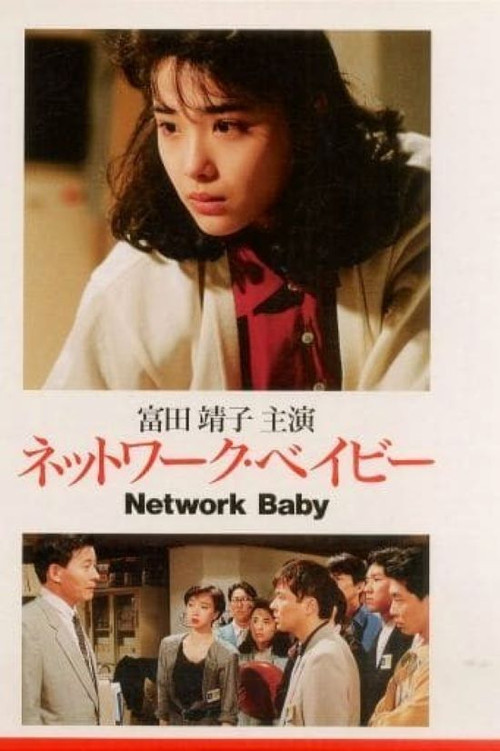
Hiroshi Kataoka’s 1990 film Network Baby stands as a fascinating exploration of grief, technology, and maternal bonds in the emerging digital age. The narrative follows a young mother working at a video game company who is struggling with profound loss. When she is recruited to test and train a revolutionary virtual world, she discovers an unexpected solace: a digital character who becomes her virtual daughter. This poignant premise examines how technology might bridge the gap between reality and fantasy, offering comfort where the material world has brought only sorrow. The film’s gentle treatment of such a sensitive subject matter reveals both the potential and limitations of virtual experiences to heal wounded hearts.
While Network Baby never achieved mainstream international recognition, it developed a devoted following among Japanese cinema enthusiasts and science fiction fans who appreciated its thoughtful approach to technology and emotion. The film’s moderate domestic success established it as a notable entry in the Japanese SF cinema of the early 1990s, a period increasingly preoccupied with humanity’s relationship to digital worlds. Critics recognized Kataoka’s sensitive direction and the film’s thematic ambitions, particularly its refusal to treat the virtual world with cynicism or contempt. Instead, the film presents the digital realm as genuinely redemptive, if ultimately bittersweet—a perspective that was somewhat countercultural for its time.
Joe Hisaishi’s magnificent score for Network Baby represents one of the composer’s most emotionally nuanced works, perfectly capturing the delicate emotional landscape of Kataoka’s narrative. Hisaishi’s compositional approach here emphasizes intimacy and warmth, employing understated orchestration that never overwhelms the film’s quieter moments. Rather than bombastic themes, Hisaishi crafts subtle musical phrases that underscore the protagonist’s inner life—her grief, her tentative hope, and her gradual emotional connection to the virtual daughter. The score moves seamlessly between the real world and the digital fantasy, yet Hisaishi never employs jarring electronic sounds or cold synthesizers to distinguish the two realms. Instead, he uses orchestral texture and harmonic language to suggest the subtle differences between these worlds.
The central theme that emerges throughout the score is genuinely beautiful—a gently ascending melodic line that captures both vulnerability and maternal affection. Hisaishi develops this theme with remarkable restraint, allowing it to grow organically as the mother-daughter relationship deepens within the virtual world. The orchestration emphasizes strings and woodwinds, creating a warm, almost ethereal quality that evokes both reality and dream simultaneously. In scenes depicting the protagonist’s grief and isolation in the material world, Hisaishi employs sparse piano passages and minor-key harmonic progressions that convey profound melancholy without descending into melodrama.
What makes Hisaishi’s work here particularly impressive is how the music validates the emotional reality of the virtual relationship. Rather than treating the digital daughter as less real or meaningful through musical treatment, Hisaishi grants her equal emotional weight. When mother and daughter interact in the virtual world, the music swells with genuine tenderness, affirming that digital connections can carry authentic emotional significance. This compositional choice profoundly shapes how audiences experience the narrative, encouraging genuine investment in a relationship between human and code. Hisaishi’s score transforms Network Baby from a potentially tragic or cynical meditation on technology into something genuinely moving—a testament to the power of connection, regardless of its medium.