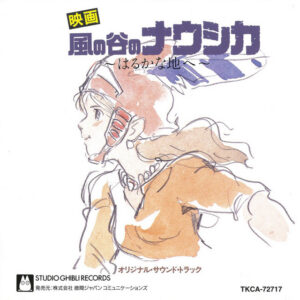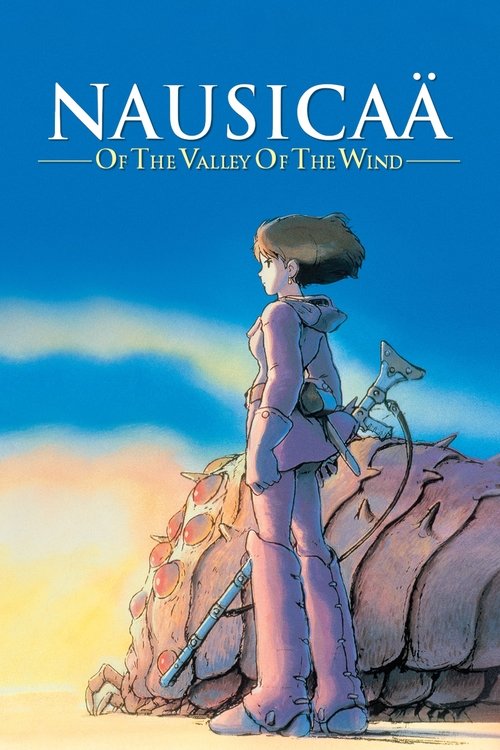
In 1984, Hayao Miyazaki’s “Nausicaä of the Valley of the Wind” emerged as a watershed moment for anime cinema, introducing European and global audiences to a visionary storyteller whose ecological concerns and humanistic philosophy would resonate across decades. The film follows Princess Nausicaä as she navigates a post-apocalyptic world where humanity clings to survival against a toxic jungle and its colossal insect guardians. Set in the seaside Valley of the Wind, one of Earth’s last untouched sanctuaries, the narrative unfolds as an epic struggle to restore balance between human civilization and the natural world—a theme that would become Miyazaki’s signature.
The film’s impact on global popular culture cannot be overstated. Upon its release, “Nausicaä” captivated audiences with its stunning hand-drawn animation, complex moral landscape, and refusal to present simplistic good-versus-evil narratives. European critics and viewers embraced the film’s environmental message with particular enthusiasm, recognizing in Nausicaä a protagonist whose compassion and wisdom transcended typical action-hero tropes. The film’s success established Studio Ghibli as a creative force and demonstrated that anime possessed artistic depth comparable to live-action cinema. Its cultural resonance has only deepened with time, particularly as environmental concerns have become increasingly urgent.
Yet the film’s triumph owes immensely to Joe Hisaishi’s extraordinary orchestral score, which serves not merely as accompaniment but as a co-creator of the film’s emotional and thematic universe. Hisaishi’s compositional approach to “Nausicaä” represents a masterclass in film music, seamlessly blending Western orchestral traditions with Japanese sensibilities to create something entirely original. The main theme, instantly recognizable and profoundly moving, establishes Nausicaä’s character through soaring strings and a melody that captures both her vulnerability and indomitable spirit. This theme becomes the emotional anchor throughout the film, evolving subtly with each occurrence to reflect the narrative’s emotional arc.
What distinguishes Hisaishi’s score is his sophisticated understanding of how music can amplify visual storytelling without overwhelming it. During scenes depicting the toxic jungle and its insects, the composer employs dissonant textures and unconventional instrumental combinations to create an atmosphere of otherworldly menace. Synthesizers blend with traditional orchestration, producing an unsettling soundscape that mirrors the visual alienness of the poisoned world. Conversely, intimate moments between characters are supported by delicate, lyrical writing that emphasizes human connection and emotional authenticity.
The score’s brilliance extends to how it articulates the film’s central thematic concerns. As Nausicaä gradually discovers the jungle’s ecological role and the insects’ essential function within Earth’s recovering ecosystem, Hisaishi’s music undergoes a profound transformation. Dissonance yields to consonance; mechanistic rhythms give way to organic, flowing phrases. The musical language itself embodies the film’s message: that understanding and compassion can transform our perception of what initially appears threatening or alien.
Hisaishi’s orchestration demonstrates remarkable restraint and sophistication. Rather than employing full orchestral force constantly, he allows silence and space to function as compositional elements. This creates dramatic tension and permits the audience to absorb both visual and emotional information. The final act, where Nausicaä makes her ultimate sacrifice and redemptive choice, is underscored by music of heartbreaking beauty—strings and piano intertwining in a meditation on hope, sacrifice, and humanity’s potential for transformation.
For European fans, Hisaishi’s score represents the perfect marriage of artistic sensibilities: European classical traditions married to Japanese aesthetic philosophy, creating something that speaks to universal human experiences while remaining distinctly original.