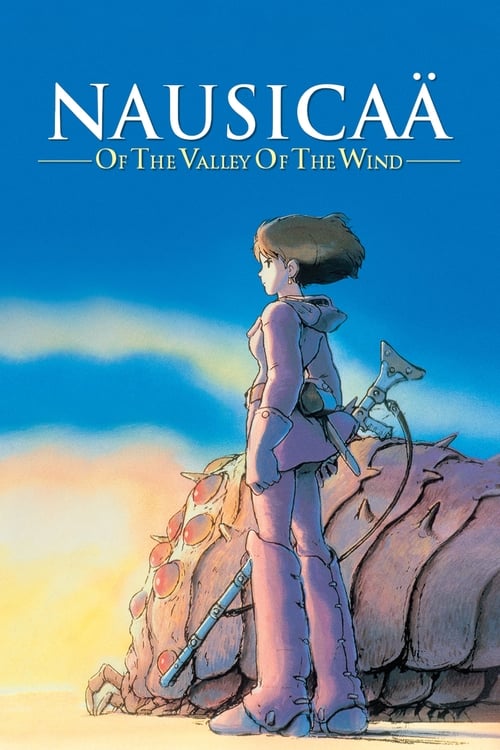
Album: 風の谷のナウシカ イメージアルバム 鳥の人…
What happens when a composer abandons conventional wisdom about film scoring and instead creates music that flows through a character’s perspective rather than manipulating audience emotions? The answer lies in Joe Hisaishi’s groundbreaking work on “Tori no Hito (Bird Person – Nausicaä’s Theme)” from the Nausicaä of the Valley of the Wind Image Album, a composition that redefined how music could serve storytelling in cinema.
The genesis of this iconic piece began not with the film itself, but with an image album project that would change Hisaishi’s career trajectory forever. Initially contracted only to create conceptual music for the pre-production phase, Hisaishi found himself crafting melodies that would capture the essence of Hayao Miyazaki’s envisioned world. When Miyazaki listened to these early compositions while working on the actual film, he became so inspired by Hisaishi’s musical vision that he insisted the composer handle the entire film score.
But Hisaishi’s approach to “Bird Person” represented a radical departure from traditional film scoring philosophy. Rather than following the standard practice of underlining emotional peaks and valleys, he developed what he called situational music—compositions that emerge from Nausicaä’s own perceptual experience. “The music doesn’t follow emotional crescendos,” Hisaishi explained in interviews. “Instead, it reflects what Nausicaä sees and feels in her environment. The music enters through her eyes, not through manipulated sentiment.”
This revolutionary approach required an unprecedented level of collaboration with directors Miyazaki and Isao Takahata. The creative meetings stretched beyond ten hours each session, with both directors demonstrating what Hisaishi described as “abnormally good ears” for musical detail. Takahata’s feedback reached such precision that he could identify specific classical influences—noting, for instance, when certain melodies in the “Toxic Jungle” sequence echoed Debussy’s impressionistic style. For Hisaishi, these sessions represented “an almost entirely new experience” in terms of collaborative intensity.
The musical foundation of “Bird Person” draws deeply from Celtic traditions, specifically Irish and Scottish folk melodies. Hisaishi consciously chose this direction to achieve what he termed a “simple, somehow nostalgic feeling.” His reasoning went beyond mere aesthetic preference—he recognized that Japanese audiences carried these melodic patterns in their cultural DNA through exposure to government-sanctioned school songs that had borrowed heavily from Celtic sources. By tapping into this shared musical memory, “Bird Person” could feel both exotic and familiar simultaneously.
Musically, the piece unfolds in a major key with a gentle, flowing tempo that mirrors the graceful flight patterns of the fictional mehve aircraft. The instrumentation centers around woodwinds and strings, creating an airy texture that literally elevates the listener. The melody itself follows Celtic structural principles—circular phrases that seem to spiral upward like thermal currents, with each repetition adding subtle harmonic depth while maintaining the essential simplicity that makes folk melodies so enduring.
What makes “Bird Person” particularly striking is how it embodies Hisaishi’s philosophical shift in film music composition. Traditional scoring treats music as an external commentary on action, but Hisaishi embedded the soundtrack within the protagonist’s consciousness. When Nausicaä soars above the toxic jungle or witnesses the majesty of the giant insects, the music doesn’t tell us how to feel—it reveals how she experiences these moments. This subtle but profound difference creates a more intimate and authentic emotional connection.
Hisaishi’s first impression of Miyazaki proved equally influential in shaping the music’s character. He described the director as possessing a “naive, handcrafted humanity”—qualities that Hisaishi sought to capture in his compositions. This human authenticity, combined with the Celtic melodic foundation, gives “Bird Person” its distinctive quality of technological wonder grounded in organic emotion.
The success of this approach validated Hisaishi’s experimental methodology and established a new paradigm for animated film scoring. Rather than treating music as emotional manipulation, “Bird Person” demonstrates how composers can create deeper audience engagement by making music an extension of character consciousness. The piece serves not just as Nausicaä’s theme, but as a window into her worldview—one that finds beauty in flight, hope in nature, and harmony between technology and organic life.
Decades after its creation, “Bird Person” continues to influence how composers approach character-driven storytelling in film music. Its legacy lies not in technical innovation, but in Hisaishi’s courage to abandon conventional wisdom and trust that audiences would connect more deeply with music that sees through a character’s eyes rather than attempting to control their hearts from the outside.
- 風の伝説Read Review
- はるかな地へ…(~ナウシカのテーマ~)Read Review
- メーヴェRead Review
- 巨神兵~トルメキア軍~クシャナ殿下Read Review
- 腐海Read Review
- 王蟲Read Review
- 土鬼軍の逆襲Read Review
- 戦闘Read Review
- 谷への道Read Review
- 遠い日々(~ナウシカのテーマ~)Read Review
- 鳥の人(~ナウシカのテーマ~)Now Playing