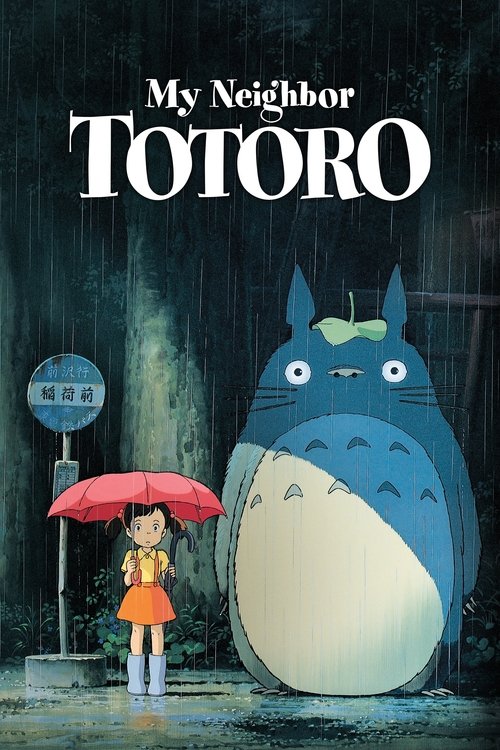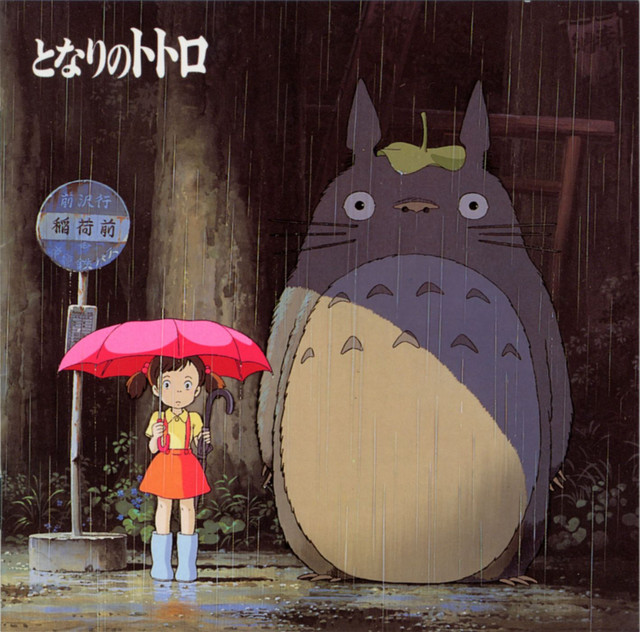
Album: となりのトトロ イメージ・ソング集
In 1988, Joe Hisaishi faced an unusual challenge that would reshape how animated films approach music. Instead of composing a traditional instrumental score for Hayao Miyazaki’s My Neighbor Totoro, he was tasked with creating something unprecedented: an entire image album consisting solely of vocal songs. Among these ten compositions was “Okaasan” (Mother), a gentle piece that perfectly embodied the revolutionary creative process behind one of Studio Ghibli’s most beloved soundtracks.
The genesis of this unique approach began with Miyazaki’s simple yet profound request to “emphasize songs” in the film’s musical landscape. Rather than dismissing the idea or suggesting a compromise, Hisaishi responded with characteristic boldness: “Let’s create an image album of all vocal songs.” This decision would fundamentally alter the relationship between music and narrative in animated cinema.
Hisaishi’s reasoning was both practical and artistic. He recognized that Totoro’s strength lay not in dramatic plot twists but in its everyday moments—the quiet scenes of family life, childhood wonder, and domestic tranquility. “Daily sequences are numerous,” he explained, “so I thought songs would create clearer images of those scenes than instrumental pieces.” This philosophy is perfectly exemplified in “Okaasan,” which captures the tender relationship between the film’s young protagonists and their hospitalized mother through its warm, nurturing melody.
The song collection process itself became a collaborative masterpiece. Miyazaki, deeply influenced by Rieko Nakagawa’s children’s book “Iya Iya En,” insisted on bringing the author aboard as lyricist. Nakagawa crafted ten poems specifically for the project, which were then refined through intensive discussions into six final songs. This collaborative filtering process ensured that each piece, including “Okaasan,” carried both literary depth and emotional authenticity.
Set in a comfortable mid-tempo feel with simple yet effective instrumentation, “Okaasan” demonstrates Hisaishi’s ability to convey complex emotions through deceptively straightforward musical language. The song’s gentle acoustic guitar foundation and warm vocal delivery create an intimate atmosphere that mirrors the film’s portrayal of family bonds during difficult times. The composition avoids dramatic flourishes, instead finding its power in understated sincerity.
Perhaps most remarkably, this groundbreaking project unfolded under extraordinary circumstances. While crafting these innocent, pure songs for Totoro, Hisaishi was simultaneously composing music for “Gakugeki ANZUCHI,” a dark theatrical production featuring devils and supernatural elements. “On one hand, there was this frightening demonic world,” he later recalled, “and on the other, this pure world running parallel—it nearly drove me crazy.” This creative juggling act speaks to Hisaishi’s remarkable versatility and professional dedication.
The image album format also allowed for unexpected discoveries. When Miyazaki heard Hisaishi’s voice on a demo recording for “Chiisana Shashin” (Small Photograph), he immediately encouraged the composer to perform the final version himself. This spontaneous decision revealed another facet of Hisaishi’s artistry and demonstrated the organic, experimental nature of the entire project.
What makes “Okaasan” particularly significant within this context is how it embodies Hisaishi’s solution to Totoro’s narrative challenges. “The story’s weakness meant figuring out where and how to strengthen it was the most troubling aspect,” he admitted. Songs like “Okaasan” filled these gaps not through exposition but through emotional resonance, allowing audiences to connect with characters’ inner lives in ways that dialogue or visual storytelling alone might not achieve.
The success of this vocal-centric approach influenced not just Totoro but Hisaishi’s entire subsequent career. By treating songs as storytelling vehicles rather than mere accompaniment, he established a template that would inform countless future projects. “Okaasan” and its companion pieces proved that animated films could support sophisticated musical narratives without sacrificing accessibility or emotional impact.
Today, listening to “Okaasan” offers insight into a pivotal moment in film music history. The song represents more than just a beautiful composition—it’s evidence of what happens when creative boundaries dissolve, when collaboration trumps convention, and when artists dare to reimagine fundamental assumptions about their craft. In its gentle harmonies and heartfelt lyrics, we hear not just a mother’s love, but the sound of innovation itself.
- となりのトトロRead Review
- 風のとおり道Read Review
- さんぽRead Review
- まいごRead Review
- すすわたりRead Review
- ねこバスRead Review
- ふしぎしりとりうたRead Review
- おかあさんNow Playing
- 小さな写真Read Review
- ドンドコまつりRead Review
- 風のとおり道(インストゥルメンタル)Read Review