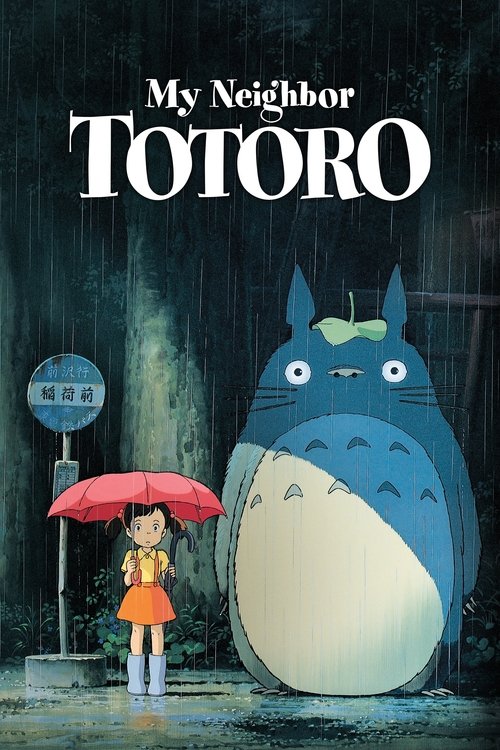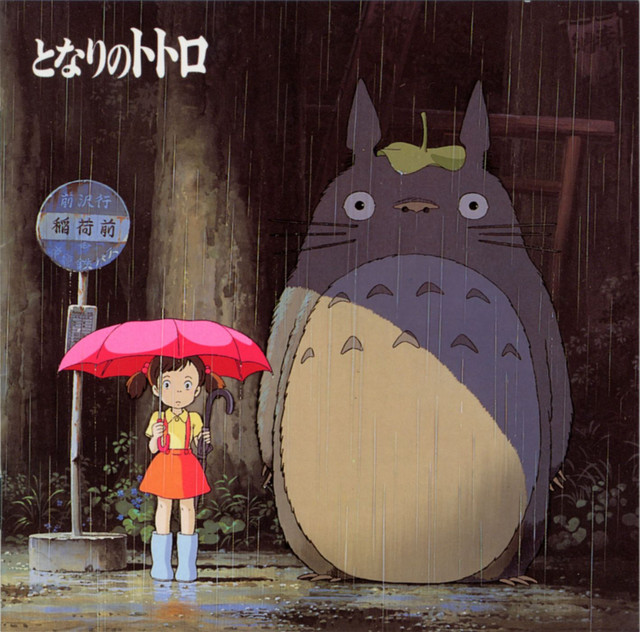
Album: となりのトトロ イメージ・ソング集
Picture this: you’re composing music for one of Japan’s most beloved animated films while simultaneously creating haunting melodies for a dark theatrical production about demons. This was Joe Hisaishi’s reality in the late 1980s during the creation of My Neighbor Totoro’s companion album, and it’s precisely this creative tension that makes ‘Cat Bus’ such a fascinating window into his artistic process.
‘Cat Bus’ emerges from what might be the most unconventional film music project ever attempted. When Hayao Miyazaki proposed that he wanted to emphasize songs in Totoro, Hisaishi’s response was revolutionary: ‘Let’s create a complete vocal image album.’ This wasn’t just adding a few songs to an instrumental score—it was reimagining the entire musical foundation of the film through voices and lyrics.
The song itself captures the whimsical mystery of Totoro’s magical transportation system. Built around a playful melody in a major key with moderate tempo, ‘Cat Bus’ uses acoustic instruments layered with gentle percussion to create the sensation of movement through forest paths. Hisaishi’s arrangement mirrors the cat bus’s dual nature—both earthly vehicle and mystical creature—through its blend of familiar folk-like harmonies and unexpected melodic turns.
What makes this track particularly significant is how it represents Hisaishi’s philosophy about music’s role in storytelling. He believed that because Totoro contained so many daily-life sequences, vocal music would create clearer emotional images than purely instrumental pieces. The challenge wasn’t just musical—it was narrative. How do you strengthen a story that intentionally focuses on quiet moments rather than dramatic peaks? ‘Cat Bus’ answers this by giving voice to wonder itself, transforming a magical encounter into something children could sing along with.
The lyrics came through an equally remarkable collaboration. Miyazaki had been deeply moved by Rieko Nakagawa’s children’s book ‘The Reluctant Kindergarten Student’ and specifically requested her involvement. Nakagawa crafted ten poems, which were refined through discussions into six final songs, including ‘Cat Bus.’ This process reveals something crucial about Hisaishi’s working method: he thrives on creative partnerships that challenge his musical instincts.
Perhaps the most telling detail about this period comes from Hisaishi’s own reflection on the creative chaos he was experiencing. While working on these gentle, innocent songs for Totoro, he was simultaneously composing for ‘ANZUCHI,’ a dark theatrical production featuring Kenji Sawada and Hiroshi Yakusho. ‘One was a frightening demonic world, the other this pure universe,’ he recalled, ‘working on both simultaneously nearly drove me crazy.’
This creative schizophrenia actually enhanced the Totoro music’s emotional clarity. When you’re forced to switch between darkness and light, innocence becomes more precious, wonder more vivid. ‘Cat Bus’ benefits from this contrast—its gentle optimism feels earned rather than saccharine because Hisaishi understood its opposite so intimately.
The album’s vocal approach also led to unexpected personal moments. When Miyazaki heard Hisaishi singing on the demo tracks, he was struck by the composer’s voice quality and encouraged him to perform one of the songs himself. This resulted in Hisaishi’s vocal performance on ‘Small Photograph,’ demonstrating how the project’s collaborative spirit extended even to performance roles.
Listening to ‘Cat Bus’ today, you can hear all these creative tensions resolved into something that sounds effortless. The song captures both the specific joy of riding a magical creature through the forest and the universal childhood experience of believing impossible things are possible. It’s music that works on multiple levels—as narrative support for the film, as a standalone children’s song, and as an example of how unconventional creative processes can yield unexpectedly perfect results.
The track’s enduring appeal lies in how it embodies Hisaishi’s understanding that film music doesn’t always need to hide behind the visuals. Sometimes the most powerful approach is to step forward, claim space, and give audiences something they can carry with them long after the credits roll. In creating an entire vocal album before the instrumental soundtrack, Hisaishi and Miyazaki essentially created a parallel emotional universe for their story—one where ‘Cat Bus’ serves as both destination and journey, carrying listeners into a world where magic feels as natural as breathing.
- となりのトトロRead Review
- 風のとおり道Read Review
- さんぽRead Review
- まいごRead Review
- すすわたりRead Review
- ねこバスNow Playing
- ふしぎしりとりうたRead Review
- おかあさんRead Review
- 小さな写真Read Review
- ドンドコまつりRead Review
- 風のとおり道(インストゥルメンタル)Read Review