

Album: 風の谷のナウシカ イメージアルバム 鳥の人…
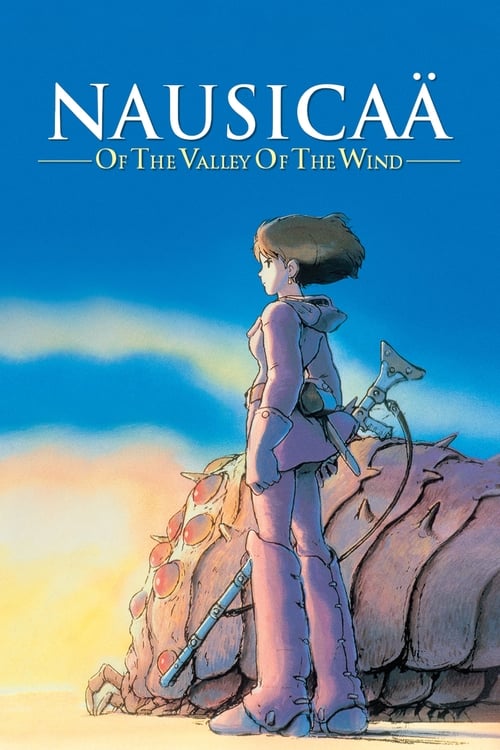
The partnership between composer Joe Hisaishi and director Hayao Miyazaki began not with grand plans or studio mandates, but with an image album that would fundamentally reshape how music functions in animated cinema. ‘Nausicaä of the Valley of the Wind Image Album: Bird People’ stands as the genesis of one of cinema’s most celebrated collaborations, born from an unconventional approach that prioritized musical philosophy over traditional scoring methods.
Initially, Hisaishi was commissioned only to create this image album, a collection of musical impressions meant to capture the essence of Miyazaki’s planned film. What emerged was something far more significant than a promotional tool. As Miyazaki listened to these compositions while developing his vision for Nausicaä, he became convinced that Hisaishi should score the actual film. This organic evolution from image album to film score speaks to the profound musical understanding that Hisaishi brought to Miyazaki’s world.
The creative process behind this album reveals a radical departure from conventional film music philosophy. Rather than following the standard practice of scoring emotional moments, Hisaishi developed what he described as situational composition. The music doesn’t mirror Nausicaä’s feelings but rather reflects what she observes and experiences. This subtle but crucial distinction transforms the listener from passive observer to active participant in Nausicaä’s journey.
Consider ‘Fukai’ (The Sea of Decay), a track that exemplifies this philosophy. The composition doesn’t tell us how to feel about the toxic jungle that dominates much of the film’s landscape. Instead, it presents the forest as Nausicaä experiences it – mysterious, alive, and complex rather than simply threatening. The music captures the ecosystem’s alien beauty and hidden purpose, inviting listeners to see beyond surface appearances. When producer Isao Takahata noted that the track’s latter melody carried Debussy-like qualities, it highlighted the sophisticated harmonic language Hisaishi employed to convey environmental complexity.
This attention to detail emerged from collaboration sessions that were unprecedented in their intensity. Meetings between Hisaishi, Miyazaki, and Takahata regularly extended beyond ten hours, with both directors demonstrating what Hisaishi called ‘abnormally good ears’ for musical nuance. These marathon sessions weren’t about micromanagement but about ensuring that every musical choice served the story’s deeper themes. For Hisaishi, accustomed to more straightforward composer-director relationships, the experience was revelatory.
The album’s main theme, heard most prominently in ‘Haruka na Chi e… (Nausicaä’s Theme)’ and ‘Tori no Hito (Bird People – Nausicaä’s Theme)’, demonstrates Hisaishi’s sophisticated understanding of cultural musical memory. Drawing inspiration from Irish and Scottish folk traditions, he crafted melodies that feel simultaneously ancient and immediate. This wasn’t mere stylistic borrowing but a calculated appeal to what Hisaishi recognized as embedded musical consciousness in Japanese listeners, who had absorbed these melodic patterns through educational songs and cultural exposure.
The simplicity of these themes serves a dual purpose. On one level, they provide the accessibility that allows listeners to connect emotionally with Nausicaä’s character. More subtly, they evoke the timeless quality of folk wisdom that Nausicaä herself represents in the story. The melodies carry an inherent sense of heritage and continuity that reinforces the film’s environmental message about humanity’s relationship with nature.
‘Ōmu’ (God Warriors), another standout track, showcases how Hisaishi’s situational approach works with the story’s more dramatic elements. Rather than simply providing bombast for the giant insects, the composition suggests their alien majesty and the complex role they play as both protectors and potential destroyers. The music acknowledges their power while hinting at the deeper intelligence that Nausicaä alone seems to recognize.
Hisaishi’s first impression of Miyazaki as possessing ‘simple, handmade humanity’ proved crucial to understanding how this musical approach would serve the director’s vision. Miyazaki’s characters exist in worlds where technology and nature, past and future, coexist in complex relationships. Traditional emotional scoring might have simplified these relationships into clear categories of good and evil, heroic and villainous. Hisaishi’s situational method preserves the moral complexity that makes Miyazaki’s work so enduring.
The decision to bring Hisaishi onto the actual film score wasn’t just about musical quality. Takahata specifically sought a composer with classical training who could handle sophisticated directorial requests. This requirement reflects the ambitious musical landscape that Miyazaki and Takahata envisioned for their films. They needed someone who could work within classical traditions while developing new approaches to narrative support.
Listening to the image album today, what strikes modern audiences is how completely formed this musical universe appears. Unlike many film scores that feel tied to specific visual moments, these compositions exist as independent musical experiences while maintaining clear connections to the story’s themes and characters. This dual functionality reflects Hisaishi’s understanding that the best film music serves multiple purposes simultaneously.
The influence of this album extends far beyond its original purpose. It established the template for how Hisaishi would approach his subsequent collaborations with Studio Ghibli, prioritizing musical storytelling that respects both character and audience intelligence. The situational scoring philosophy developed here would later inform beloved scores for films like ‘My Neighbor Totoro’ and ‘Spirited Away.’
For contemporary listeners, ‘Nausicaä Image Album: Bird People’ offers insight into how thoughtful musical philosophy can elevate animated cinema beyond entertainment into art. Each track represents not just a moment in Nausicaä’s world but a carefully considered approach to musical narrative that treats listeners as active participants rather than passive recipients. This respect for audience intelligence, combined with sophisticated compositional craft, creates music that rewards both casual listening and detailed analysis.
The album stands as proof that the most enduring film music often emerges not from following established formulas but from developing new approaches that serve story and character in innovative ways. Hisaishi’s partnership with Miyazaki began with this collection of musical impressions, but its real legacy lies in demonstrating how composers and directors can collaborate to create something greater than the sum of their individual contributions.
- 風の伝説Read Review
- はるかな地へ…(~ナウシカのテーマ~)Read Review
- メーヴェRead Review
- 巨神兵~トルメキア軍~クシャナ殿下Read Review
- 腐海Read Review
- 王蟲Read Review
- 土鬼軍の逆襲Read Review
- 戦闘Read Review
- 谷への道Read Review
- 遠い日々(~ナウシカのテーマ~)Read Review
- 鳥の人(~ナウシカのテーマ~)Read Review
Sources
- Nausicaä Roman Album Interview (1984)
- Kinema Junpo Interview (1987)
- Book: The Complete Works of Hayao Miyazaki