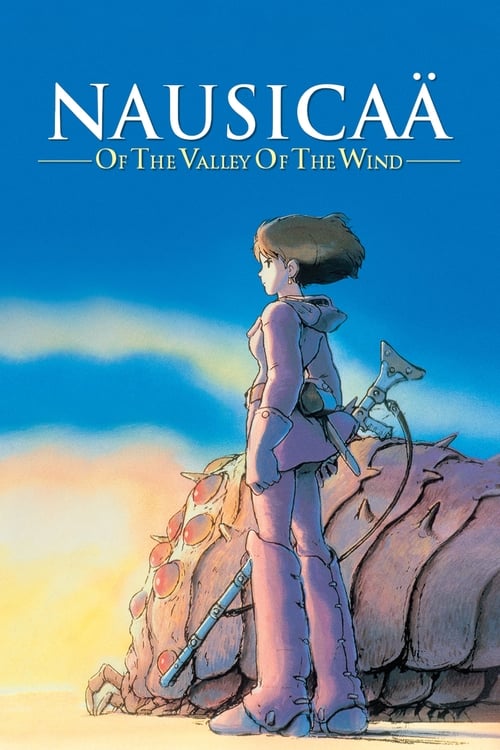
Album: 風の谷のナウシカ イメージアルバム 鳥の人…
Close your eyes and imagine soaring through endless blue skies on gossamer wings. This is the world that Joe Hisaishi conjured in ‘Mehve’ (メーヴェ), a composition that would fundamentally change how music functions in animated cinema. Named after Nausicaä’s beloved glider, this piece from the ‘Nausicaä of the Valley of the Wind Image Album: Bird People’ represents more than just accompaniment—it embodies a revolutionary approach to film scoring that prioritizes situation over emotion.
The genesis of ‘Mehve’ reveals the extraordinary creative partnership between Hisaishi and director Hayao Miyazaki. Originally hired only for the image album, Hisaishi found himself deeply embedded in Miyazaki’s creative process when the director insisted on using the composer’s music for the actual film. Their first meeting left Hisaishi with an impression of Miyazaki’s ‘simple, handmade humanity’—a quality that would profoundly influence the musical landscape of the project.
What makes ‘Mehve’ particularly fascinating is how it demonstrates Hisaishi’s unconventional scoring philosophy. Rather than following traditional film music practices that emphasize emotional peaks and valleys, Hisaishi chose to score situations through Nausicaä’s perspective. The piece doesn’t tell us how to feel about flight; instead, it captures what Nausicaä experiences while soaring through her world. The music becomes her eyes, translating visual wonder into sonic poetry.
This approach emerged from marathon creative sessions that pushed the boundaries of typical composer-director collaboration. Meetings between Hisaishi, Miyazaki, and producer Isao Takahata regularly stretched beyond ten hours. Both directors possessed what Hisaishi described as ‘abnormally good ears,’ leading to discussions of unprecedented detail. Takahata would point out when a melody’s latter half reminded him of Debussy, demonstrating the level of musical sophistication expected. For Hisaishi, these sessions represented ‘the most detailed experience of my career.’
‘Mehve’ showcases Hisaishi’s deliberate embrace of folk influences, particularly Irish and Scottish traditional melodies. The composer aimed for something ‘simple yet nostalgic,’ tapping into melodies that Japanese audiences unconsciously recognized from their school songbooks. This conscious choice created an immediate emotional connection while maintaining the exotic quality necessary for Miyazaki’s fantasy world. The piece unfolds in a gentle 4/4 time signature, with woodwinds carrying the primary melody over subtle string arrangements—instrumentation that evokes both pastoral landscapes and aerial freedom.
The track’s structure mirrors the gliding motion of its namesake. Like Nausicaä’s mehve catching thermal currents, the melody rises and falls with natural grace. There are no forced dramatic crescendos or artificial emotional manipulations. Instead, Hisaishi allows the music to breathe, creating space for listeners to fill with their own sense of wonder. This restraint requires tremendous compositional discipline, yet the result feels effortless.
Hisaishi’s background in classical music proved crucial to this project’s success. Takahata specifically chose him because ‘only someone with classical education could handle our detailed musical requests.’ This training allowed Hisaishi to understand the directors’ sophisticated references while maintaining accessibility for general audiences. ‘Mehve’ demonstrates this balance perfectly—sophisticated enough to satisfy classically trained ears, yet immediately appealing to children experiencing their first Miyazaki film.
The piece also illustrates Hisaishi’s unique position in film music history. While many composers overlay emotions onto scenes, Hisaishi pioneered a more integrated approach where music becomes part of the narrative fabric. In ‘Mehve,’ we don’t just hear flight music; we experience flight through sound. The composition doesn’t manipulate our emotions but rather invites us to share Nausicaä’s perspective as she navigates her world.
This revolutionary approach would influence countless film scores that followed, but ‘Mehve’ remains a perfect encapsulation of Hisaishi’s philosophy. The track succeeds because it trusts both the visuals and the audience. Rather than overwhelming scenes with musical information, it provides just enough sonic texture to enhance what we’re already seeing and feeling.
Listening to ‘Mehve’ today, decades after its creation, the piece retains its power to transport. It captures that moment when human technology meets natural beauty—when Nausicaä’s glider becomes an extension of her spirit rather than mere machinery. Hisaishi achieved something remarkable: creating music that doesn’t just accompany flight but makes us believe we too can soar through impossible skies, seeing the world through a young woman’s eyes filled with hope and wonder.
- 風の伝説Read Review
- はるかな地へ…(~ナウシカのテーマ~)Read Review
- メーヴェNow Playing
- 巨神兵~トルメキア軍~クシャナ殿下Read Review
- 腐海Read Review
- 王蟲Read Review
- 土鬼軍の逆襲Read Review
- 戦闘Read Review
- 谷への道Read Review
- 遠い日々(~ナウシカのテーマ~)Read Review
- 鳥の人(~ナウシカのテーマ~)Read Review