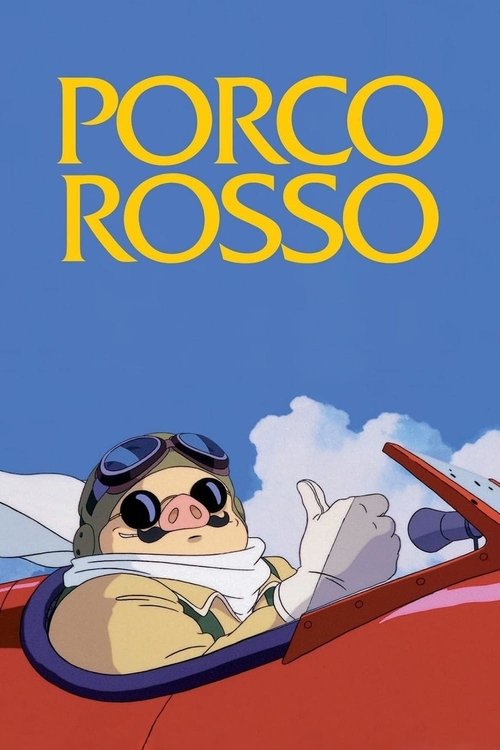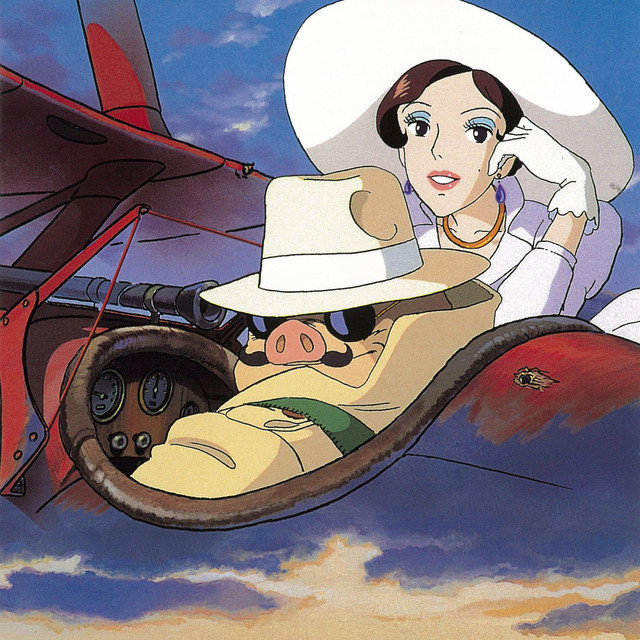
Album: 紅の豚 サウンドトラック
In the sprawling soundscape of Joe Hisaishi’s score for Porco Rosso, one track stands out as a perfect microcosm of how thoughtful musical choices can transport listeners across time and geography. “Piccolo no Onna-tachi” (The Women of Piccolo) emerges as more than just background music – it’s a masterclass in period authenticity and cultural storytelling through sound.
The track serves as the cheerful theme for the female factory workers at Piccolo’s workshop, but its brilliance lies in the details. What begins as a spirited melody soon welcomes the distinctive sound of mandolin, and this instrumental choice reveals Hisaishi’s meticulous attention to setting and atmosphere. The mandolin doesn’t appear by accident; it’s a deliberate nod to the Italian setting that grounds the fantasy in authentic cultural soil.
This attention to geographical authenticity reflects a broader philosophy that guided the entire Porco Rosso soundtrack. Hisaishi was working within the framework of 1920s Italy, an era when jazz was reaching its golden age across Europe and America. For a composer known for sweeping orchestral arrangements, adapting to this specific historical moment required careful consideration of instrumentation and style.
The creative process behind Porco Rosso’s music began with an unusual gift from director Hayao Miyazaki. Rather than detailed musical directions, Miyazaki handed Hisaishi six poems: “Flying Boat Pilot’s Tango,” “Ascent,” “Twilight Adriatic Sea,” “Night Flight,” “Secret Garden,” and “Merry-Go-Round.” These verses served as emotional roadmaps, helping Hisaishi understand the film’s deeper currents before a single note was composed.
This collaborative approach reveals something fundamental about Hisaishi’s working method. Rather than imposing his musical vision, he seeks to understand the director’s emotional landscape first. Yet this process wasn’t without its challenges. Hisaishi later reflected with characteristic honesty about his approach to Porco Rosso: “Miyazaki’s personal feelings came through so strongly in this film, and I should have held back more, but there were parts where I almost went in an action-movie direction. I still regret that.”
This self-reflection illuminates the delicate balance required in film scoring. Hisaishi recognized that Porco Rosso wasn’t a typical adventure tale but something more personal and introspective. The challenge lay in supporting Miyazaki’s vision without overwhelming it – a lesson that influenced how he approached tracks like “The Women of Piccolo.”
Producer Toshio Suzuki recalled Miyazaki’s specific request to Hisaishi: “Please make embarrassing music, please make it exciting.” This seemingly contradictory direction – music that could be both vulnerable and energizing – captures the complex emotional terrain of Porco Rosso. The film balanced cynicism with romanticism, adventure with melancholy, and Hisaishi’s score needed to navigate these shifting moods.
“The Women of Piccolo” embodies this balance perfectly. The track’s upbeat tempo and major key create an atmosphere of industrious cheerfulness, matching the energy of the factory workers. But the mandolin’s entry adds layers of cultural specificity that prevent the music from feeling generic or overly saccharine. It’s music that celebrates labor and community while remaining grounded in a specific time and place.
The mandolin choice also demonstrates how Hisaishi thinks about musical storytelling. Rather than relying solely on melody and harmony, he uses timbre – the actual sound quality of instruments – to convey meaning. The mandolin’s bright, percussive attack and quick decay make it perfect for rhythmic accompaniment, but its association with Italian folk music adds narrative depth that transcends pure musical function.
This approach to instrumentation reflects the broader jazz-age authenticity that runs through the entire soundtrack. When jazz piano appears in the film’s bar scenes, it’s not just period decoration but a reflection of 1920s musical reality. Jazz truly was the dominant popular music of the era, making Hisaishi’s stylistic choices historically grounded rather than purely aesthetic.
The success of “The Women of Piccolo” and the broader Porco Rosso soundtrack demonstrates how effective film music operates on multiple levels simultaneously. Surface listeners hear an engaging, period-appropriate score that supports the on-screen action. But deeper attention reveals layers of cultural research, collaborative artistry, and musical storytelling that enrich the viewing experience.
When Miyazaki heard the completed score, his delight confirmed that Hisaishi had successfully navigated the challenge of creating “embarrassing” yet exciting music. The composer had learned to serve the story rather than dominate it, crafting pieces like “The Women of Piccolo” that feel both specifically Italian and universally appealing. In doing so, he created a template for how thoughtful musical choices can transport audiences not just emotionally, but culturally and historically as well.
- 時代の風-人が人でいられた時-Read Review
- MAMMAIUTORead Review
- Addio!Read Review
- 帰らざる日々Read Review
- セピア色の写真Read Review
- セリビア行進曲Read Review
- Flying boatmenRead Review
- Doom-雲の罠-Read Review
- Porco e BellaRead Review
- Fio-SeventeenRead Review
- ピッコロの女たちNow Playing
- FriendRead Review
- Partner shipRead Review
- アドリアの海へRead Review
- 遠き時代を求めてRead Review
- 荒野の一目惚れRead Review
- 夏の終わりにRead Review
- 失われた魂-LOST SPIRIT-Read Review
- Dog fightRead Review
- Porco e Bella-Ending-Read Review